



US BIS Adds 3 Chinese Cold Storage Controller Makers to Entity List




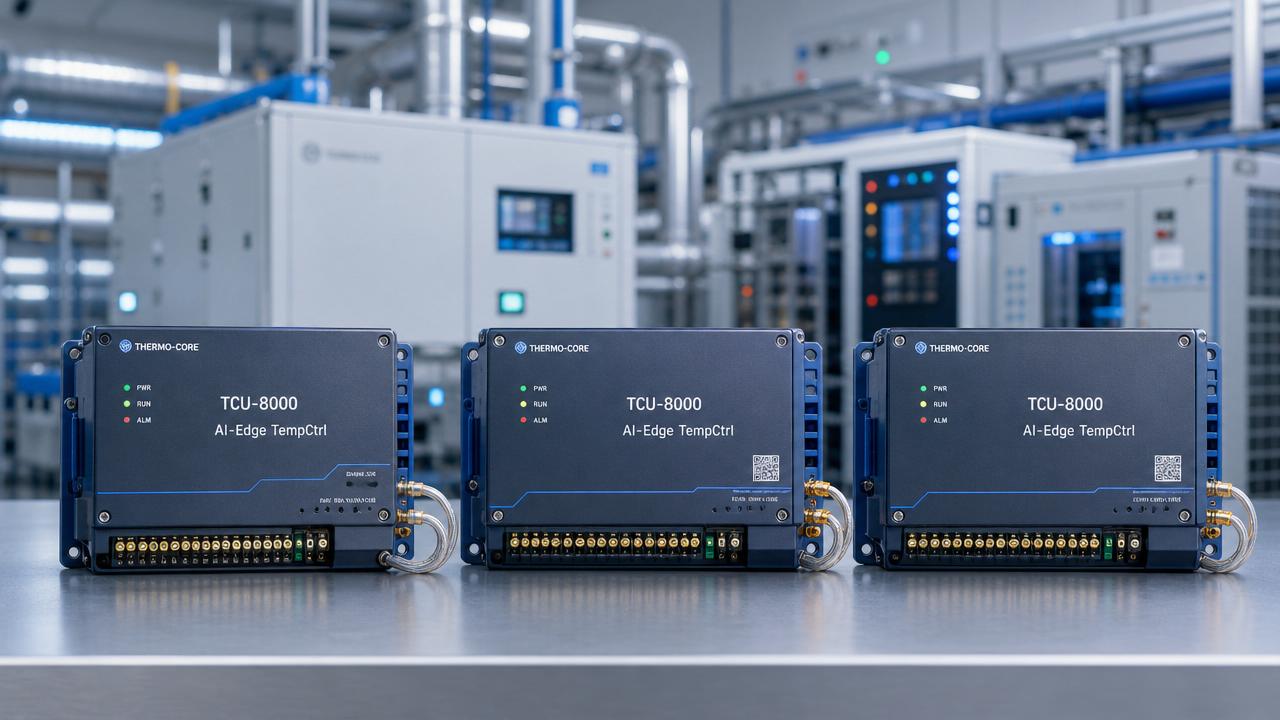
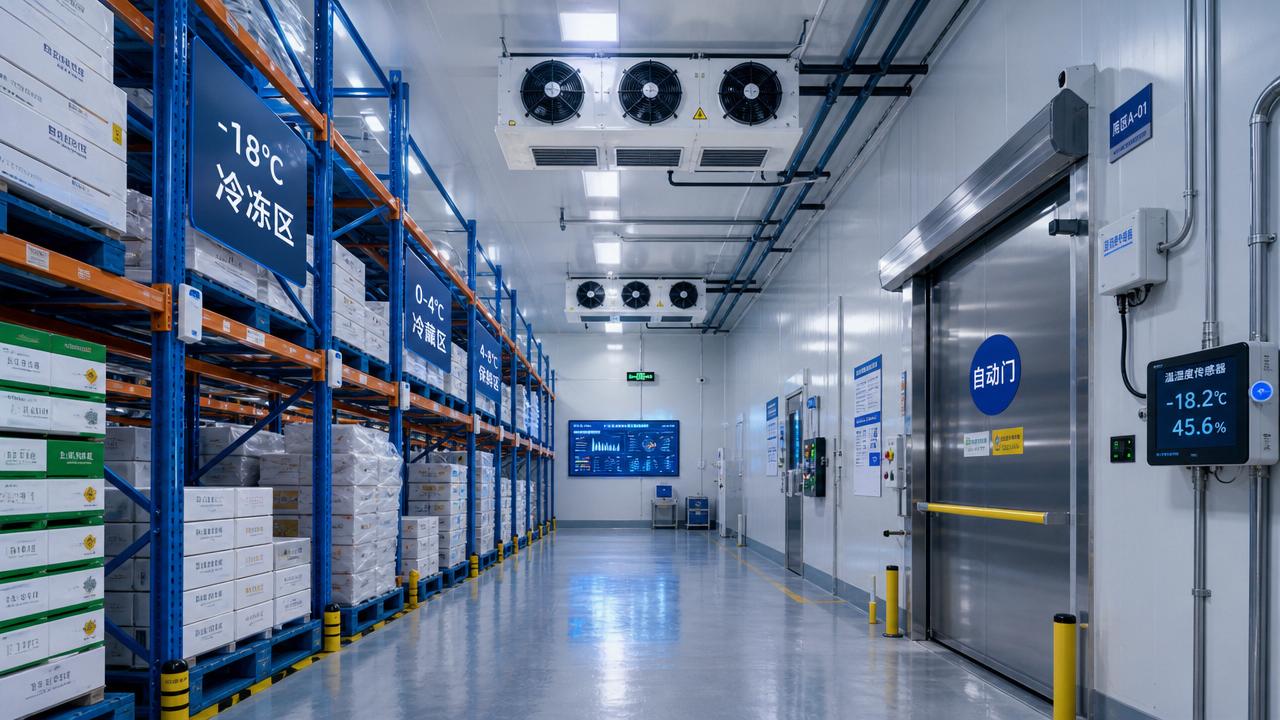
On May 10, 2026, the U.S. Department of Commerce’s Bureau of Industry and Security (BIS) updated its Entity List, adding three China-based manufacturers specializing in intelligent temperature control systems for cold storage infrastructure. The move restricts their access to U.S.-origin or U.S.-controlled items—including high-precision temperature sensors, edge AI chips, and industrial real-time operating systems—triggering immediate implications for global cold chain hardware supply chains, particularly in North America and export-oriented integration projects.
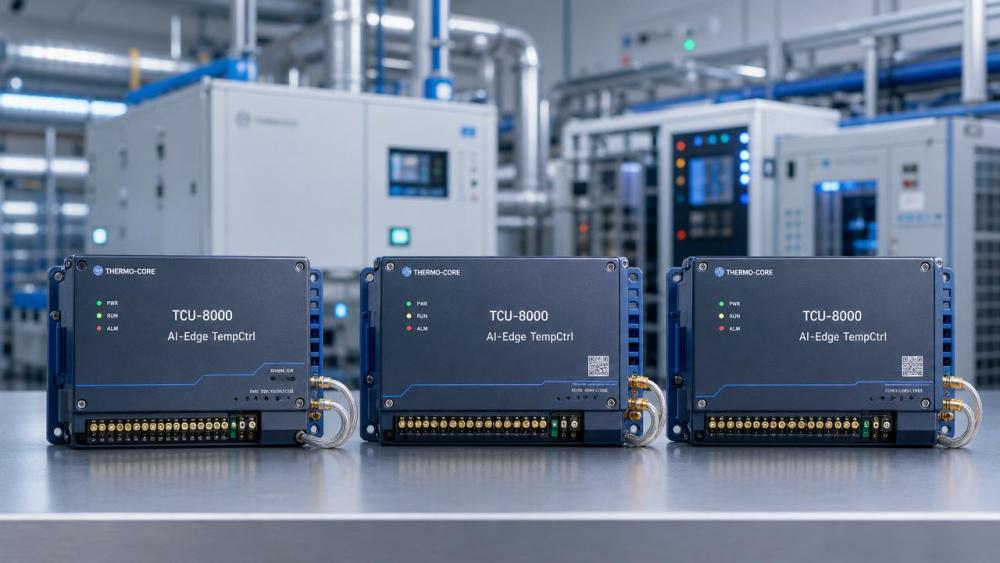
Event Overview
On May 10, 2026, the U.S. Bureau of Industry and Security (BIS) amended the Entity List to include three Chinese companies engaged in the design and production of controllers for cold storage facilities. These entities are now subject to a license requirement for all items subject to the Export Administration Regulations (EAR), including specified high-accuracy temperature sensing components, edge AI processing units, and certified industrial real-time operating systems (RTOS).
Industries Affected
Direct Trading Enterprises: Exporters and distributors that previously sourced or resold controllers from these three manufacturers face immediate compliance risks when shipping to U.S.-aligned markets. Licensing delays, heightened due diligence obligations, and potential reclassification of end-use documentation may disrupt existing distribution agreements and channel partnerships—especially for integrators serving U.S. federal or federally funded cold chain infrastructure projects.
Raw Material Procurement Enterprises: Firms sourcing U.S.-origin sensors, AI accelerators, or RTOS licenses for integration into cold storage controller assemblies must now verify whether their downstream controller partners appear on the Entity List. Any failure to screen could expose procurement teams to secondary sanctions risk, triggering internal audit escalations and contract renegotiations with U.S. component suppliers.
Manufacturing Enterprises: Contract manufacturers and OEMs assembling cold storage control units—including those using hybrid architectures combining domestic hardware with imported firmware or SDKs—are encountering revised bill-of-materials (BOM) validation requirements. Some are pausing shipments pending legal review, while others are initiating redesign cycles to replace restricted chipsets or OS layers—a process expected to take 6–12 months for full qualification.
Supply Chain Service Providers: Third-party logistics providers, customs brokers, and trade compliance consultants report rising demand for EAR classification support and end-user verification services. Notably, freight forwarders handling controller shipments to Canada or Mexico are now required to conduct additional screening—even for transshipment cargo—due to expanded jurisdictional reach under the EAR’s ‘deemed export’ and ‘foreign-produced direct product’ rules.
Key Focus Areas and Recommended Actions
Conduct Immediate Entity Screening Across Supplier Tiers
Integrators and system builders should map all controller suppliers—not just Tier-1 vendors—to confirm absence from the Entity List, including subsidiaries, joint ventures, and contract manufacturing partners. Screening must extend beyond corporate names to cover registered trademarks, technical documentation footers, and firmware build identifiers.
Review and Document End-Use Assurances
U.S. component suppliers require updated end-use statements from customers incorporating affected controllers. Firms must retain signed declarations confirming that no listed entity participates in design, testing, or firmware deployment—even if physically located outside the U.S.—to mitigate liability under EAR §744.11.
Accelerate Dual-Sourcing and Domestic Integration Pilots
Given delivery uncertainty for North American projects relying on these controllers, industry stakeholders are advised to initiate parallel validation of alternative control platforms—particularly those based on domestically supported RTOS kernels (e.g., Zephyr, VxWorks variants with local licensing) and non-U.S.-sourced sensor fusion modules. Pilot deployments should prioritize interoperability with existing SCADA and cloud monitoring ecosystems.
Editorial Perspective / Industry Observation
Observably, this listing reflects a strategic shift toward targeting enablers—not just end-product manufacturers—in critical infrastructure subsectors. Unlike prior listings focused on semiconductors or telecom gear, this action zeroes in on embedded intelligence within thermal management systems, signaling growing U.S. concern over foreign influence in food safety, pharmaceutical logistics, and climate-resilient infrastructure. Analysis shows the timing aligns with upcoming U.S. federal cold chain modernization funding windows, suggesting export controls are being synchronized with domestic industrial policy. From an industry perspective, the move is better understood as a calibration of technology sovereignty thresholds—not a blanket restriction—and may accelerate standardization efforts around open-control frameworks like ISA-95-compliant edge orchestration layers.
Conclusion
This Entity List update underscores how granular export controls have become in targeting functional capabilities—rather than broad sectors—within advanced industrial automation. For cold chain stakeholders, the lasting significance lies not in short-term shipment delays, but in the accelerated recalibration of hardware-software co-design practices, supplier governance models, and regional certification pathways. A measured, evidence-based response—not reactive substitution—is more likely to sustain long-term competitiveness.
Sources and Ongoing Monitoring
Official source: U.S. Bureau of Industry and Security, Amendment to the Entity List, 89 FR 38722, May 10, 2026. Additional context drawn from BIS advisory notices issued May 8–9, 2026, and public comments filed by the Semiconductor Industry Association (SIA) and Cold Chain Federation (CCF). Continued observation is warranted for: (1) potential designation of related Chinese firmware development entities; (2) updates to EAR Supplement No. 4 (presumption of denial); and (3) forthcoming guidance from U.S. Customs and Border Protection on enhanced cold chain equipment inspection protocols.
Related News
- India BIS Proposes Mandatory Low-GWP Verification for R449A in Cold StorageAuthor :Cryogenic Systems Expert

- US BIS Adds 3 Chinese Cold Storage Controller Makers to Entity ListAuthor :Cryogenic Systems Expert

- US BIS Adds 3 Chinese Cold Storage Controller Makers to Entity ListAuthor :Cryogenic Systems Expert

- China Expands HCFCs Phase-Out Verification for Cold Storage ExportsAuthor :Cryogenic Systems Expert

- Smart Thermal Systems for Cold Storage: What Delivers PaybackAuthor :Cryogenic Systems Expert

- China Expands HCFCs Phase-Out Checks to 127 Chiller PlantsAuthor :Cryogenic Systems Expert

- Shanghai Port Reefer FEU Rates Surge Past $12,800 Amid Red Sea DiversionAuthor :Cryogenic Systems Expert

- Red Sea Crisis Pushes Shanghai-Rotterdam Reefer Freight to $12,520/FEUAuthor :Cryogenic Systems Expert
![]()
- What Intellectualization Means for Smarter Cold Storage OperationsAuthor :Cryogenic Systems Expert