



EU PFAS Ban Extended to Vacuum Pump Seals




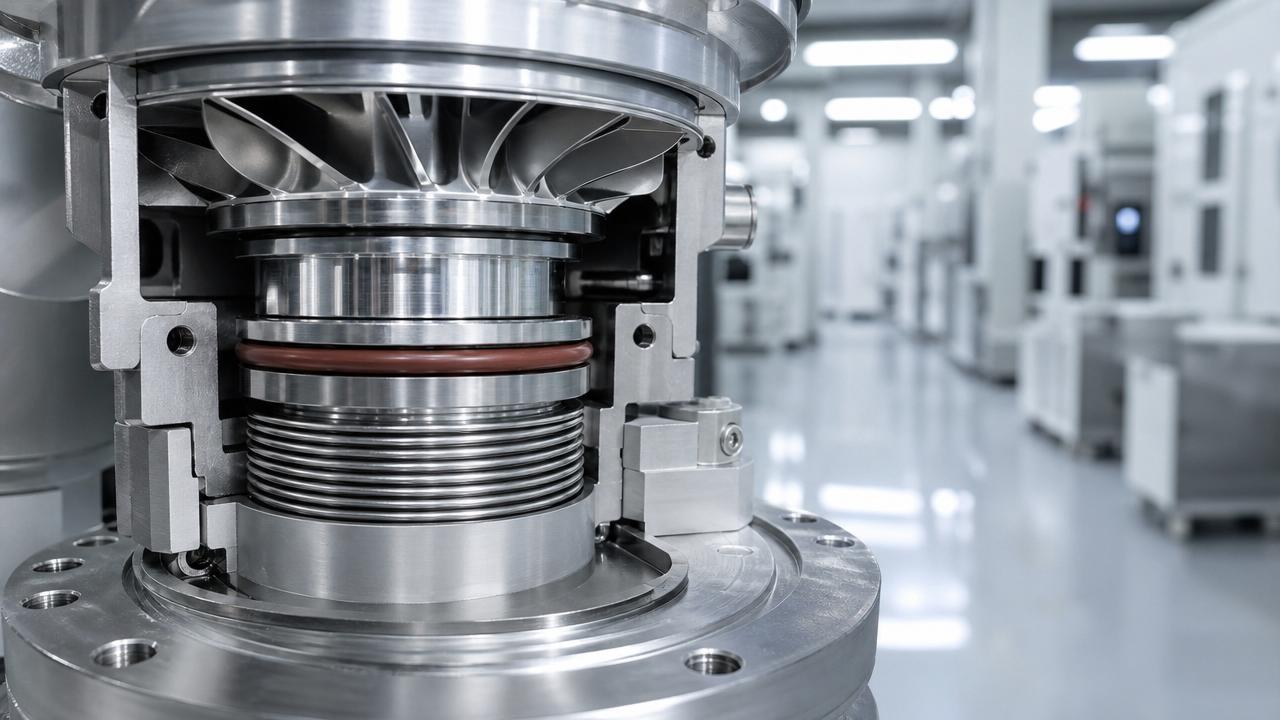
On 9 May 2026, the European Commission formally adopted Regulation (EU) 2026/XXXX, expanding the restriction on per- and polyfluoroalkyl substances (PFAS) to all dynamic sealing components in vacuum systems—including O-rings, bellows, and packing materials. This update takes immediate effect and directly impacts manufacturers and exporters of high-vacuum equipment from China and other third countries, particularly those supplying industrial, semiconductor, analytical instrumentation, and R&D equipment sectors.
Event Overview
On 9 May 2026, the European Commission published Regulation (EU) 2026/XXXX, amending the existing EU PFAS restriction under REACH Annex XVII. The amendment explicitly extends the ban to PFAS-containing dynamic seals used in vacuum systems. The regulation entered into force on the date of publication. No transitional period is provided. Exporters must now ensure material-level SVHC screening and submission of EN 14372:2026-compliant test reports prior to customs clearance in the EU.
Industries Affected by Sector and Role
Direct Exporters of High-Vacuum Equipment
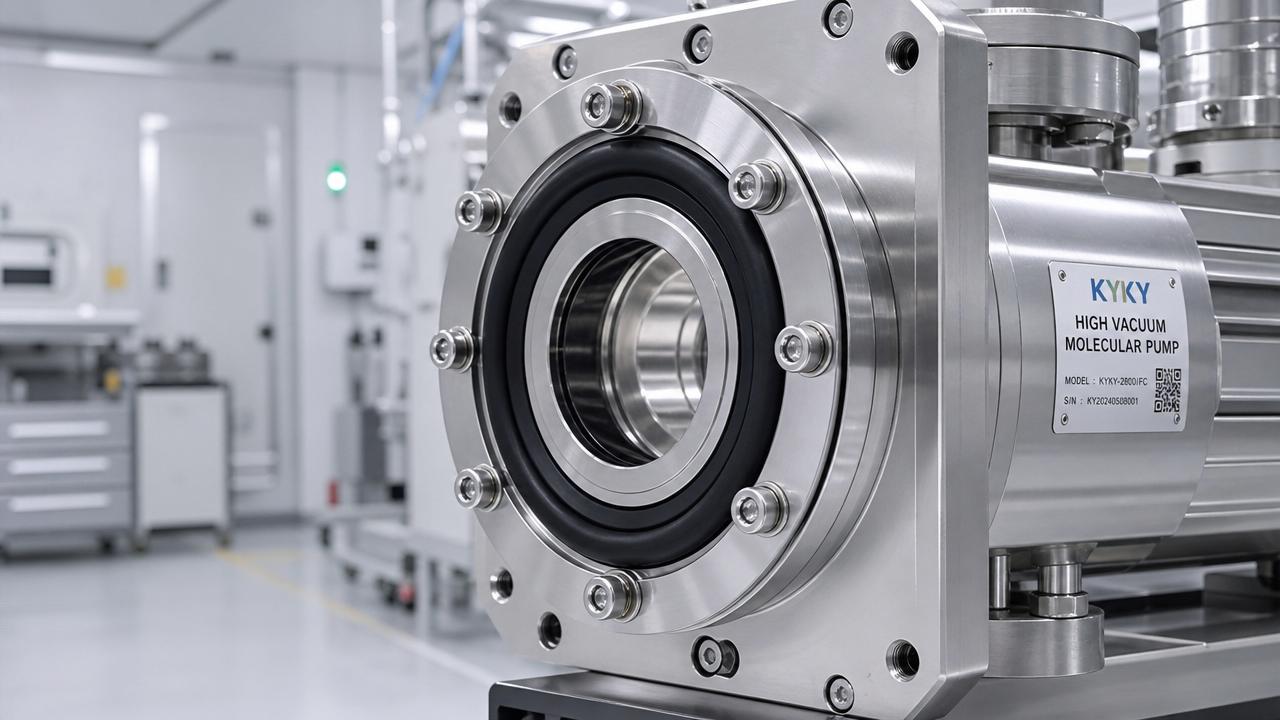
These companies—especially those based in China exporting vacuum chambers, turbomolecular pumps, or leak detection systems—are directly subject to customs enforcement. Non-compliant shipments risk detention at EU ports and rejection by EU-based distributors or end users.
Material Suppliers and Seal Component Manufacturers
Suppliers providing O-rings, metal bellows, or graphite/polymer-based packing materials to vacuum equipment OEMs must now verify PFAS content across formulations—including legacy compounds previously assumed compliant. The scope covers both fluorinated elastomers (e.g., FKM, FFKM) and non-elastomeric PFAS additives (e.g., processing aids, surface treatments).
Contract Manufacturers and Assemblers
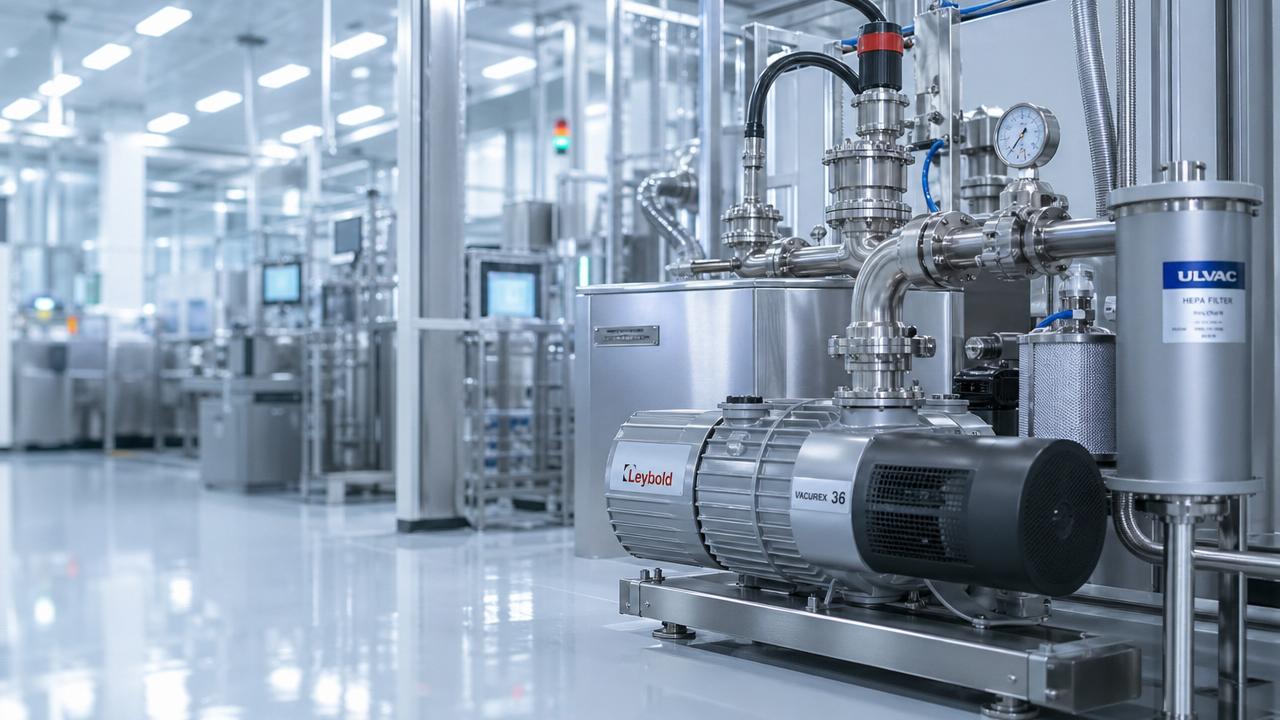
Firms assembling vacuum systems using third-party seals face cascading compliance obligations. Even if final equipment bears no PFAS in its main structure, inclusion of a non-compliant dynamic seal triggers full product non-conformance under the revised regulation.
Distribution and Aftermarket Service Providers
EU-based distributors and service centers handling spare parts—including replacement seals—must now maintain documentation proving PFAS-free status for each component. Inventory containing pre-2026 seals may require segregation, retesting, or disposal depending on national enforcement interpretation.
Key Actions for Affected Enterprises and Practitioners
Verify applicability against EN 14372:2026 immediately
Confirm whether current testing protocols align with the updated standard’s scope, sampling requirements, and detection limits for PFAS species—including short-chain and polymer-bound forms. Laboratories accredited to EN 14372:2026 are limited; lead times for reporting may extend beyond typical procurement cycles.
Map and audit seal-level bill-of-materials down to supplier batch level
Identify all dynamic sealing components across product families, including sub-tier suppliers. Request full substance declarations—not just RoHS or REACH SVHC statements—as PFAS presence may occur outside listed SVHCs. Retrospective verification of legacy stock is advisable before shipment.
Engage EU importers early to align on documentation expectations
EU-based responsible persons or authorized representatives may impose additional due diligence beyond regulatory minimums (e.g., requiring full analytical chromatograms or supplier affidavits). Proactive alignment helps avoid last-minute delays during customs release.
Monitor national enforcement guidance from EU Member States
While the regulation is directly applicable, interpretation of ‘dynamic seal’ scope and enforcement thresholds (e.g., detection limits, exemptions for trace impurities) may vary. Germany, the Netherlands, and France have signaled prioritized inspections of vacuum-related imports starting Q3 2026.
Editorial Observation / Industry Perspective
Observably, this amendment signals a tightening of PFAS enforcement beyond bulk chemicals and consumer goods into mission-critical industrial components. Analysis shows the move reflects increasing regulatory focus on ‘functionally essential but chemically persistent’ uses—where alternatives remain technically challenging. From an industry perspective, it is less a one-off policy shift and more an indicator of accelerating substitution timelines across high-performance sealing applications. Current enforcement posture suggests this is already operational—not merely a warning signal—and will likely influence parallel actions in the UK, South Korea, and California.
Conclusion
This regulation marks a material compliance inflection point for vacuum technology supply chains. It does not represent a broad-based phase-out timeline, but rather an immediate, component-level gatekeeping requirement. For affected enterprises, it is best understood not as a future risk, but as an active, enforceable condition of market access—requiring verification at the material, not just product, level.
Source Attribution
Main source: European Commission, Regulation (EU) 2026/XXXX, published 9 May 2026, Official Journal of the European Union L/2026/XXX. Note: The regulation number (XXXX) remains provisional pending final OJ pagination. Enforcement guidance from individual Member State authorities is still emerging and requires ongoing monitoring.
Related News
- EU PFAS Ban Extended to Vacuum Pump SealsAuthor :Vacuum Process Fellow

- EU PFAS Ban Extended to Vacuum Pump Seals Effective May 2026Author :Vacuum Process Fellow

- EU PFAS Ban Extended to Vacuum Pump SealsAuthor :Vacuum Process Fellow

- How Vacuum Technology Solutions Improve Process StabilityAuthor :Vacuum Process Fellow

- Choosing Vacuum Technology Solutions for Clean Production LinesAuthor :Vacuum Process Fellow

- Vacuum Process Efficiency: Where Production Bottlenecks Usually StartAuthor :Vacuum Process Fellow