India's Gold Import Pause Shifts Centrifuge Demand to Battery Recycling




On May 6, 2026, the Indian government announced a temporary suspension of gold imports—a policy decision that has immediately disrupted procurement activity among domestic precious metals refiners and redirected equipment demand toward lithium-ion battery recycling infrastructure.
Event Overview
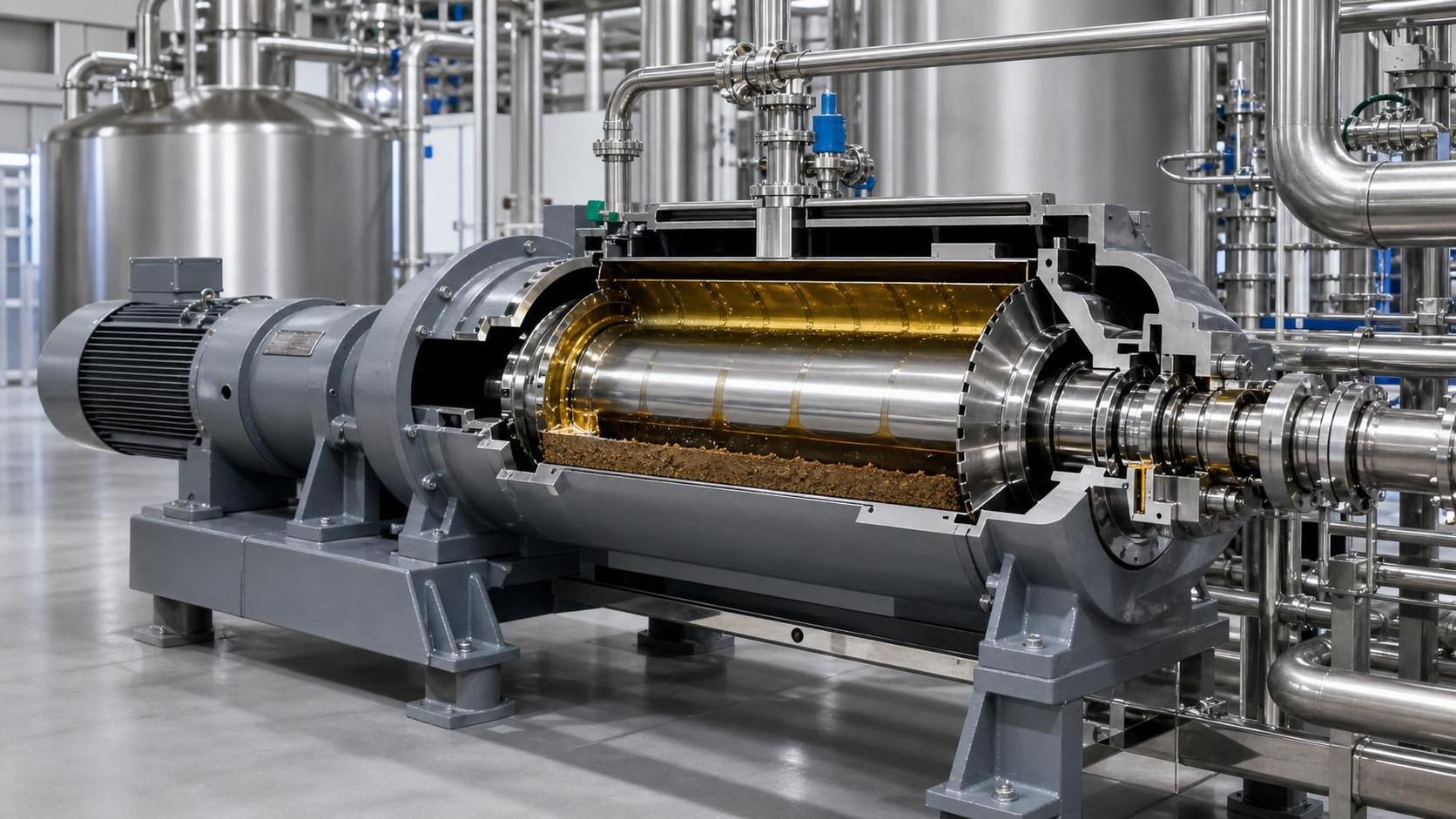
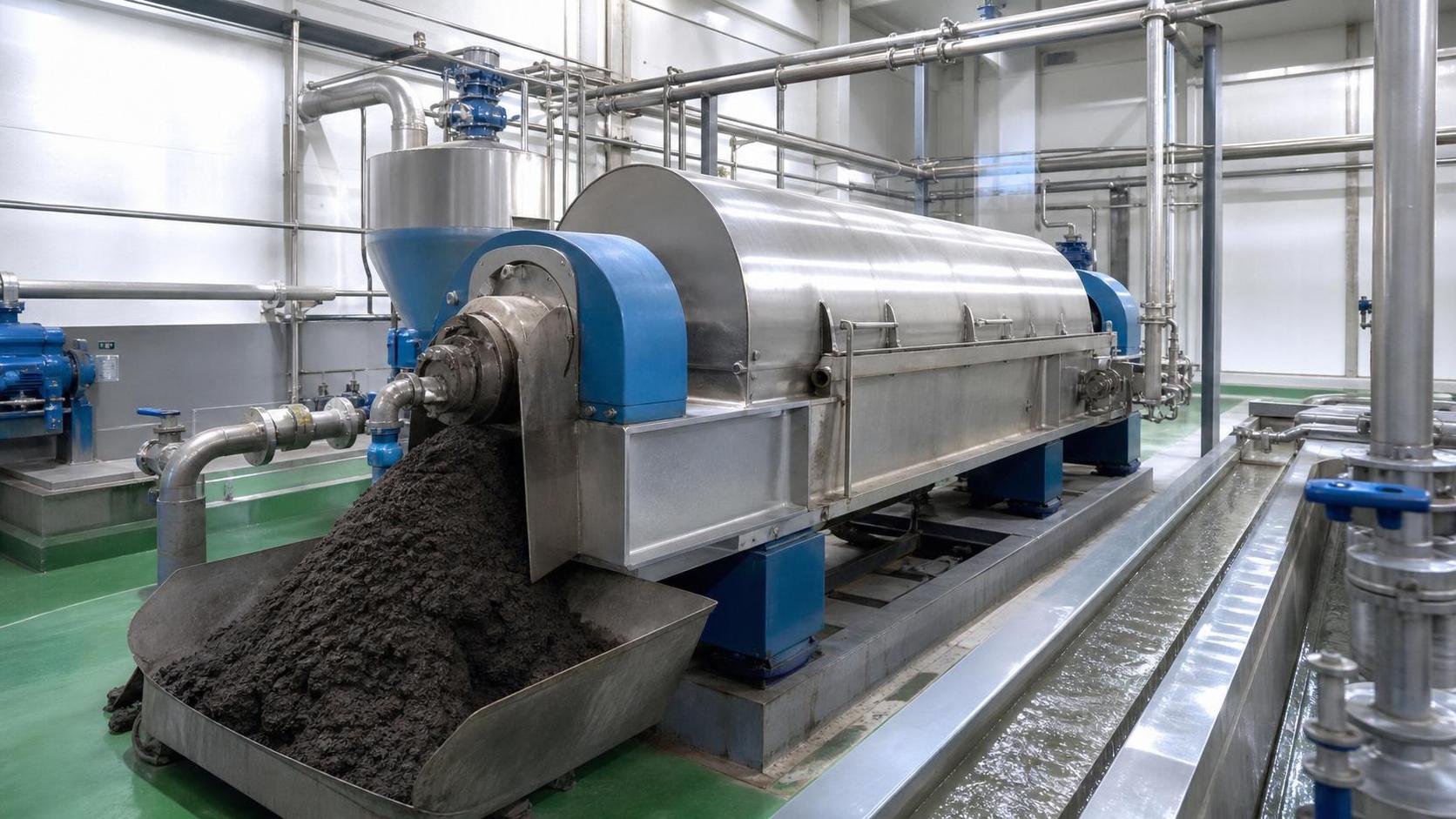
On May 6, 2026, the Modi administration issued an official directive halting all gold imports into India. Concurrently, the Ministry of New and Renewable Energy (MNRE) launched its first-phase tender for lithium battery recycling capacity expansion, specifying requirements for horizontal centrifuges with minimum processing capacity of 5 tonnes per hour for hydrometallurgical black mass separation.
Industries Affected
Direct trading enterprises: Indian bullion importers and international gold trading firms face immediate contract renegotiation or cancellation, as customs clearance for gold shipments has been suspended pending further regulatory guidance. Revenue visibility over Q3–Q4 2026 has significantly declined.
Raw material procurement enterprises: Domestic precious metal refiners—particularly those reliant on imported dore bars or scrap gold—have paused capital expenditure on refining line upgrades. Inventory planning now prioritizes existing stockpiles over forward procurement, compressing lead times for assay services and logistics partners.
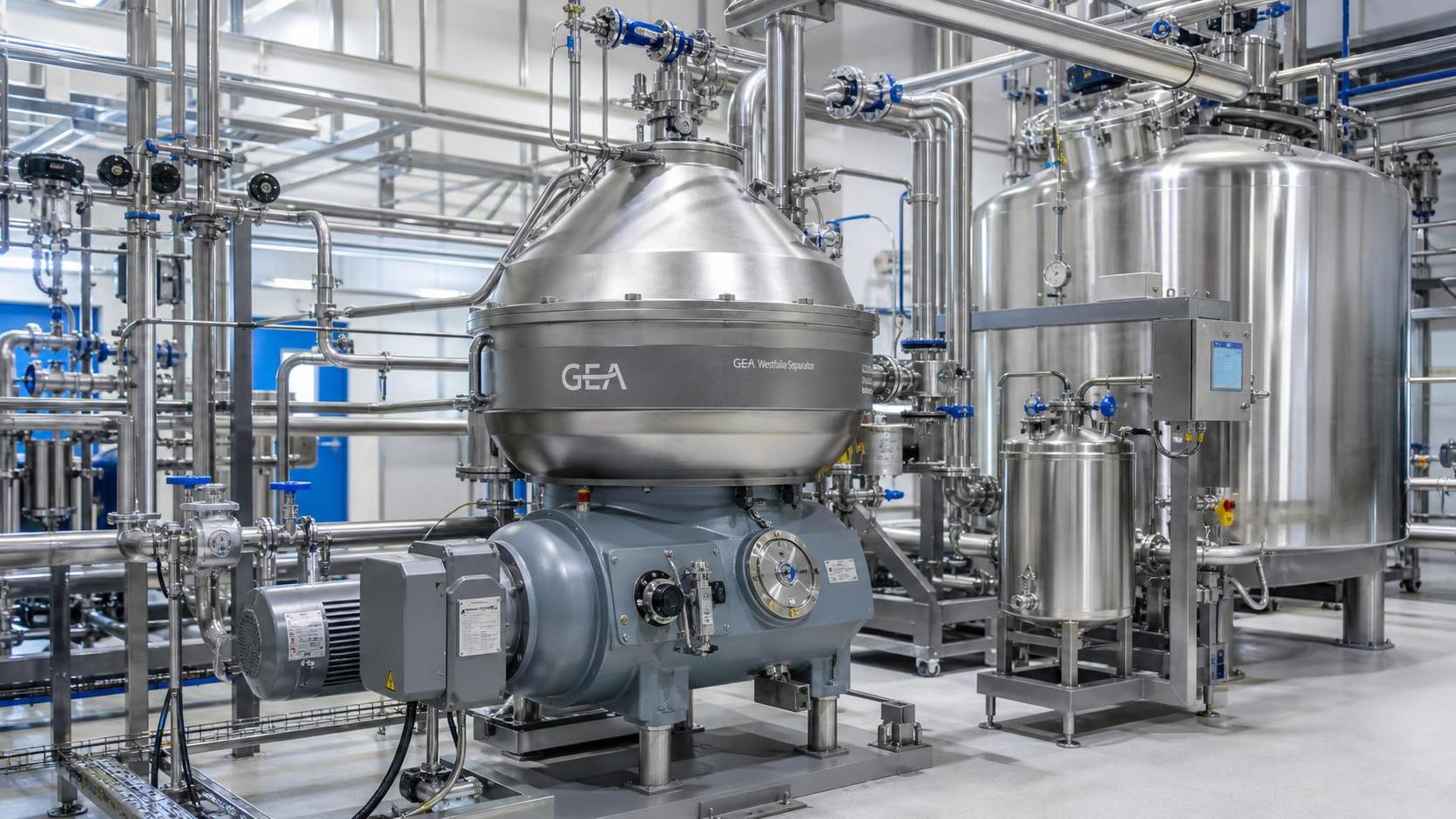
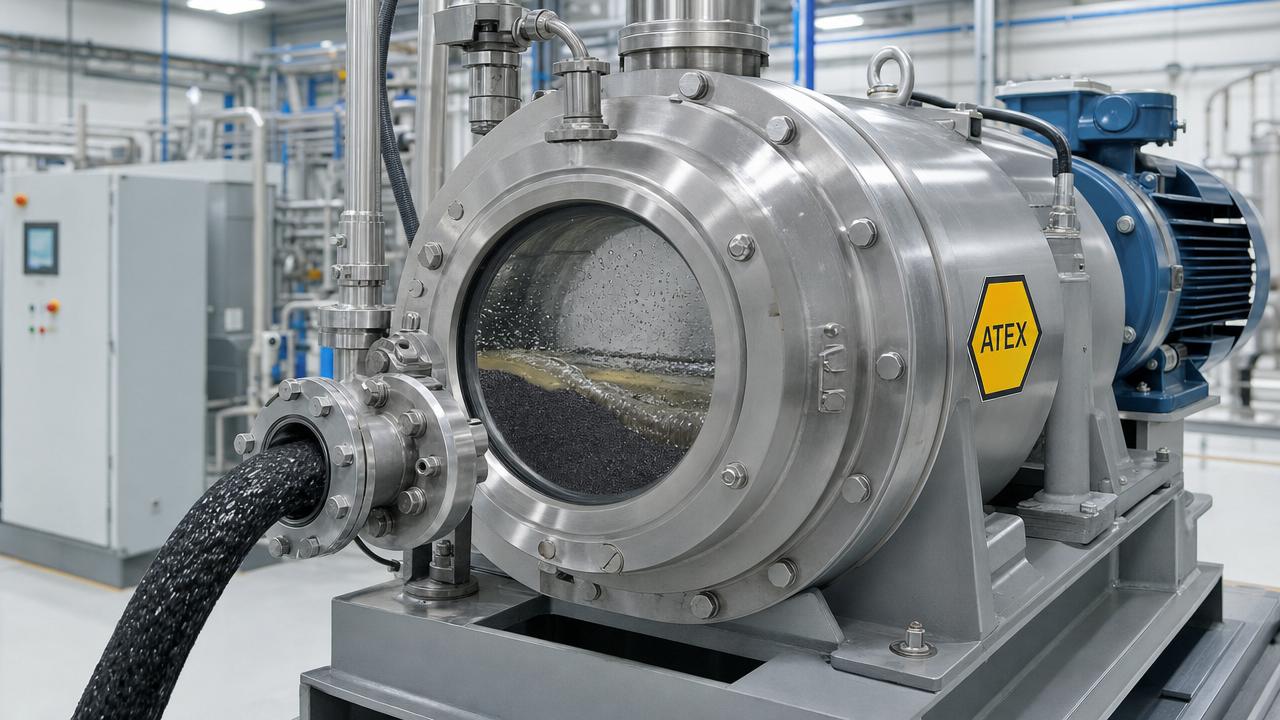
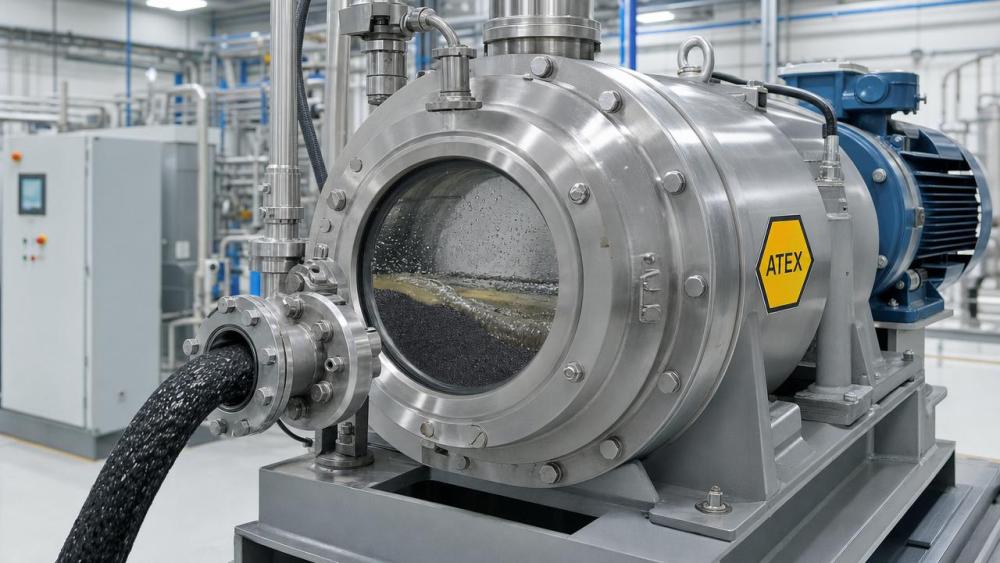
Equipment manufacturing enterprises: Chinese centrifuge manufacturers previously supplying high-speed vertical units for gold electrolytic refining are reporting order cancellations or deferrals. In parallel, inquiries for wet-process horizontal centrifuges compliant with battery black mass handling standards (e.g., corrosion-resistant alloys, ATEX-rated enclosures) have surged by over 70% in the past 10 days, per preliminary export data from China’s Machinery Industry Federation.
Supply chain service enterprises: Third-party calibration labs, spare parts distributors, and after-sales technical support providers focused on precious metals refining equipment report reduced field service dispatches. Conversely, vendors offering commissioning support for hydrometallurgical pilot lines—including slurry handling, pH control integration, and solids dewatering validation—are seeing accelerated engagement timelines.
Key Considerations and Recommended Actions
Reassess export product certification pathways
Manufacturers targeting the Indian battery recycling market must verify whether their centrifuge models meet MNRE’s newly referenced IS/IEC 61800-5-1 (functional safety) and IS 16229 (battery recycling facility design) requirements—not just CE or ISO 9001. Non-compliant units risk rejection at customs or site acceptance testing.
Validate local partnership structures
Given India’s new preference for “Make in India”–aligned project execution, foreign equipment suppliers should prioritize joint ventures or technology licensing arrangements with Tier-1 Indian engineering contractors (e.g., L&T, Thermax) rather than direct sales—especially for turnkey battery recycling line bids.
Monitor raw material substitution trends
As gold import restrictions remain in place, some Indian refiners are exploring alternative feedstocks—including electronic waste scrap and catalytic converter residues—which may require modified centrifuge configurations (e.g., higher solids tolerance, variable-speed torque control). Early adopters may gain competitive advantage in next-phase tenders.
Editorial Insight / Industry Observation
Analysis shows this is not merely a short-term trade policy ripple but a structural recalibration: India is deliberately decoupling its refining equipment demand from global bullion cycles and anchoring it instead to domestic clean energy industrial policy. Observably, the shift from ‘gold purity’ to ‘black mass recovery yield’ as the primary performance metric signals deeper alignment between metallurgical equipment standards and national battery value chain ambitions. From an industry perspective, this transition favors modular, digitally enabled centrifuge platforms—rather than legacy single-purpose machines—with programmable separation parameters and remote diagnostics capability.
Conclusion
This policy-driven pivot underscores how national resource security strategies increasingly redefine equipment demand across adjacent industrial sectors. Rather than viewing gold import curbs and battery recycling incentives as isolated measures, stakeholders would be better served recognizing them as complementary levers within India’s broader mineral processing sovereignty framework. A rational interpretation is that equipment flexibility—and not just throughput capacity—has become the decisive factor in near-term market access.
Source Attribution
Official notifications published by the Ministry of Commerce and Industry (India), Government Press Release No. MOEF/2026/PR-112 (May 6, 2026); MNRE Tender Notice MNRE/BAT/REC/2026/001 (issued May 6, 2026); preliminary export shipment data cited from China Machinery Industry Federation Weekly Export Monitor, Week 18, 2026. Ongoing observation required for: (i) duration and scope of gold import suspension; (ii) final technical specifications in MNRE’s upcoming Phase II tender; (iii) potential revisions to India’s Customs Tariff Heading 8421.19 for centrifuges used in battery recycling applications.
Related News
- How to Evaluate High Capacity Centrifugal Separators for Throughput and Solids RemovalAuthor :Thermal Energy Strategist

- How to Compare Automatic Centrifugal Separators by Throughput and Solids LoadAuthor :Thermal Energy Strategist

- Centrifugal Dewatering Wastewater Sludge: What Affects Cake Solids Most?Author :Thermal Energy Strategist

- India's Gold Import Pause Shifts Centrifuge Demand to Battery RecyclingAuthor :Thermal Energy Strategist