Vacuum Technology Solutions: Rotary Vane or Liquid Ring?




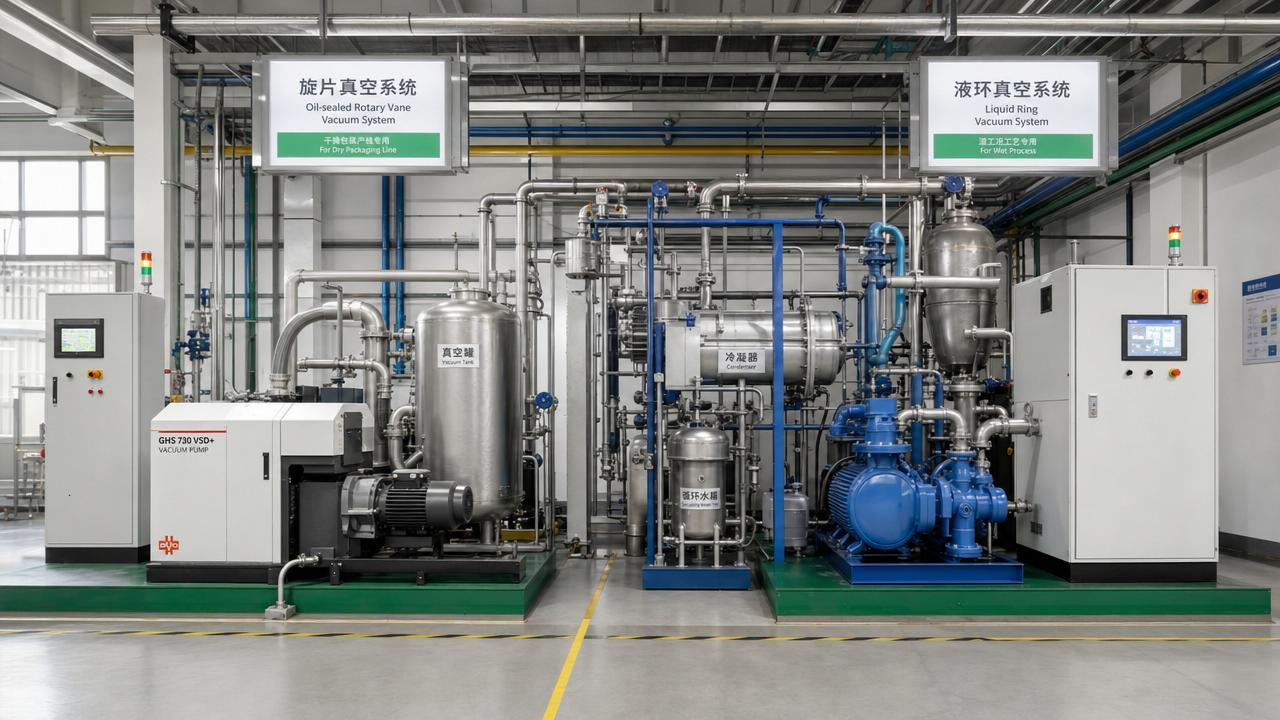
Choosing between rotary vane and liquid ring systems can directly affect efficiency, maintenance costs, and process reliability. In today’s industrial landscape, vacuum technology solutions must support uptime, energy control, and stable product quality across varied processes. This guide explains the differences between rotary vane and liquid ring vacuum systems, helping organizations compare performance, operating fit, and lifecycle value before making a long-term decision.
What are rotary vane and liquid ring vacuum technology solutions?
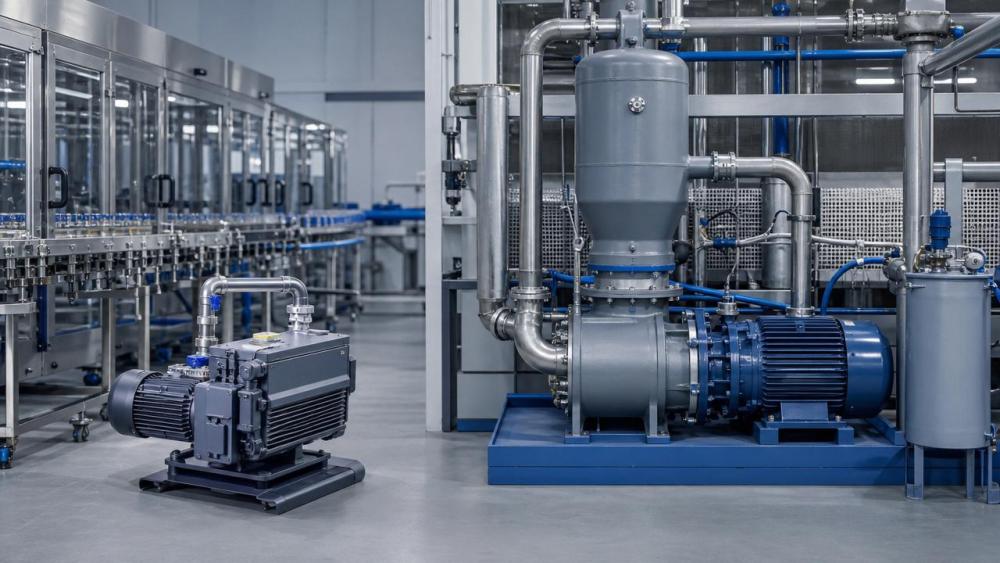
Both are widely used vacuum technology solutions, but they create vacuum in different ways. Their internal designs shape pressure range, contamination tolerance, service needs, and energy behavior.
How does a rotary vane vacuum pump work?
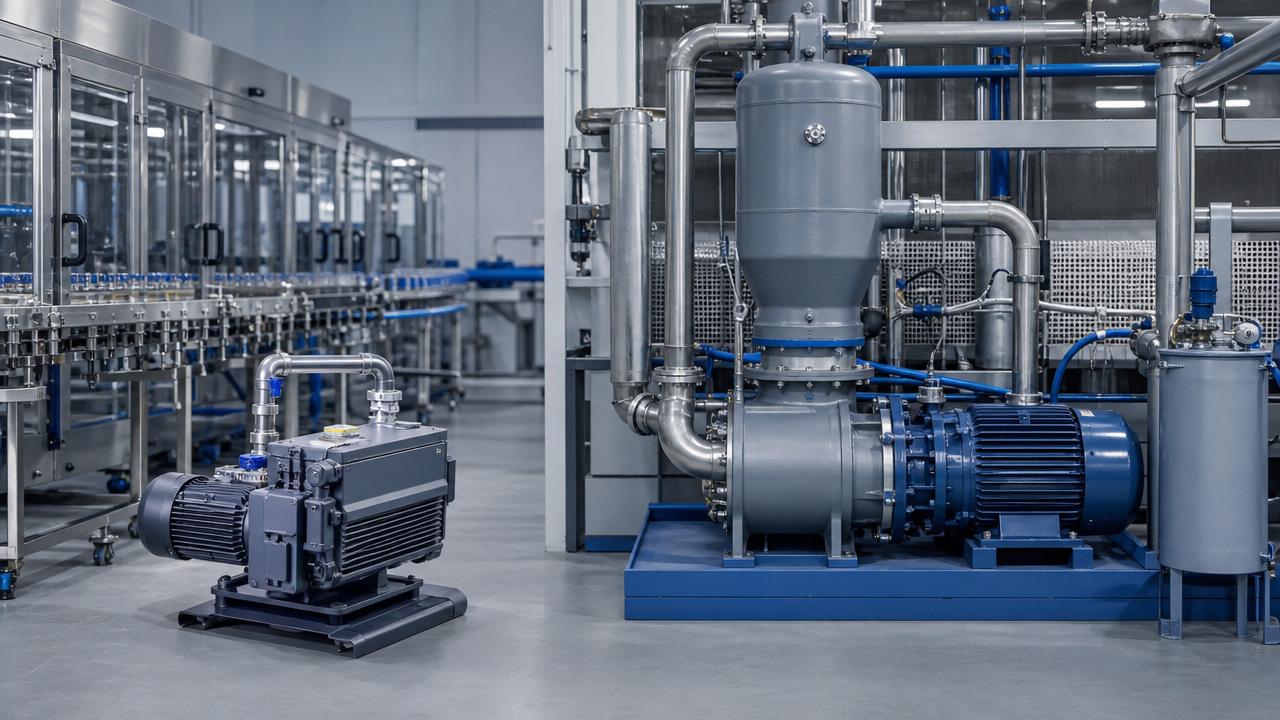
A rotary vane pump uses a rotor with sliding vanes inside a cavity. As the rotor turns, trapped gas volumes expand and compress, creating vacuum.
This design is compact and proven. Many vacuum technology solutions for packaging, laboratories, plastics, and general manufacturing rely on rotary vane systems.
How does a liquid ring vacuum pump work?
A liquid ring pump uses an impeller rotating in a casing partially filled with service liquid, often water. Centrifugal force forms a liquid ring.
Gas enters pockets between blades and the liquid ring. The changing pocket volume compresses and discharges gas smoothly and continuously.
Why does the operating principle matter?
The operating principle affects moisture handling, process cleanliness, corrosion tolerance, noise, and achievable vacuum level. It also shapes maintenance intervals and utility consumption.
For that reason, comparing vacuum technology solutions requires more than checking pump size or initial price.
Which applications fit rotary vane vacuum technology solutions best?
Rotary vane systems are often selected when deeper vacuum, compact installation, and consistent dry gas handling are required. They are common in controlled production settings.
Typical use cases
- Vacuum packaging and thermoforming
- Pick-and-place systems and material handling
- CNC clamping and woodworking
- Printing and paper converting
- Electronics and precision assembly
These vacuum technology solutions perform well where gas streams are relatively clean. Stable vacuum improves repeatability in packaging seal integrity and automated handling accuracy.
Main strengths in production
Rotary vane pumps usually offer good efficiency in low to medium flow applications. They also reach stronger vacuum levels than many liquid ring units.
That makes them attractive vacuum technology solutions when process performance depends on lower absolute pressure and quick evacuation cycles.
Where caution is needed
Moisture, condensable vapors, and heavy particulates can shorten service life if filtration and gas ballast controls are weak. Oil-sealed designs also require fluid management.
In harsh chemical or wet processes, other vacuum technology solutions may provide better durability and lower upset risk.
When are liquid ring vacuum technology solutions the smarter choice?
Liquid ring systems are favored in wet, dirty, hot, or corrosive environments. Their design naturally handles vapor-laden gas streams more safely and more steadily.
Common industrial scenarios
- Chemical processing and solvent recovery
- Power generation and condenser air removal
- Pulp and paper operations
- Food processing with high moisture loads
- Mining, wastewater, and general process industries
These vacuum technology solutions are especially useful where carryover is unavoidable. They remain stable even when inlet gas includes saturated vapor or droplets.
What advantages do they offer?
Liquid ring pumps are robust and forgiving. They can tolerate upset conditions that would challenge more sensitive vacuum technology solutions.
They also run with low vibration and smooth compression. In some process plants, that operational stability matters more than achieving deeper vacuum.
What trade-offs should be expected?
Liquid ring systems often consume service liquid and may need separation, recirculation, or treatment equipment. Their ultimate vacuum is usually less deep.
So these vacuum technology solutions may increase utility complexity while reducing process vulnerability in wet duty.
How should performance, energy use, and maintenance be compared?
A useful comparison should consider vacuum level, flow profile, gas composition, ambient conditions, and annual operating hours. Initial price alone rarely predicts total value.
Quick comparison table
What affects energy costs most?
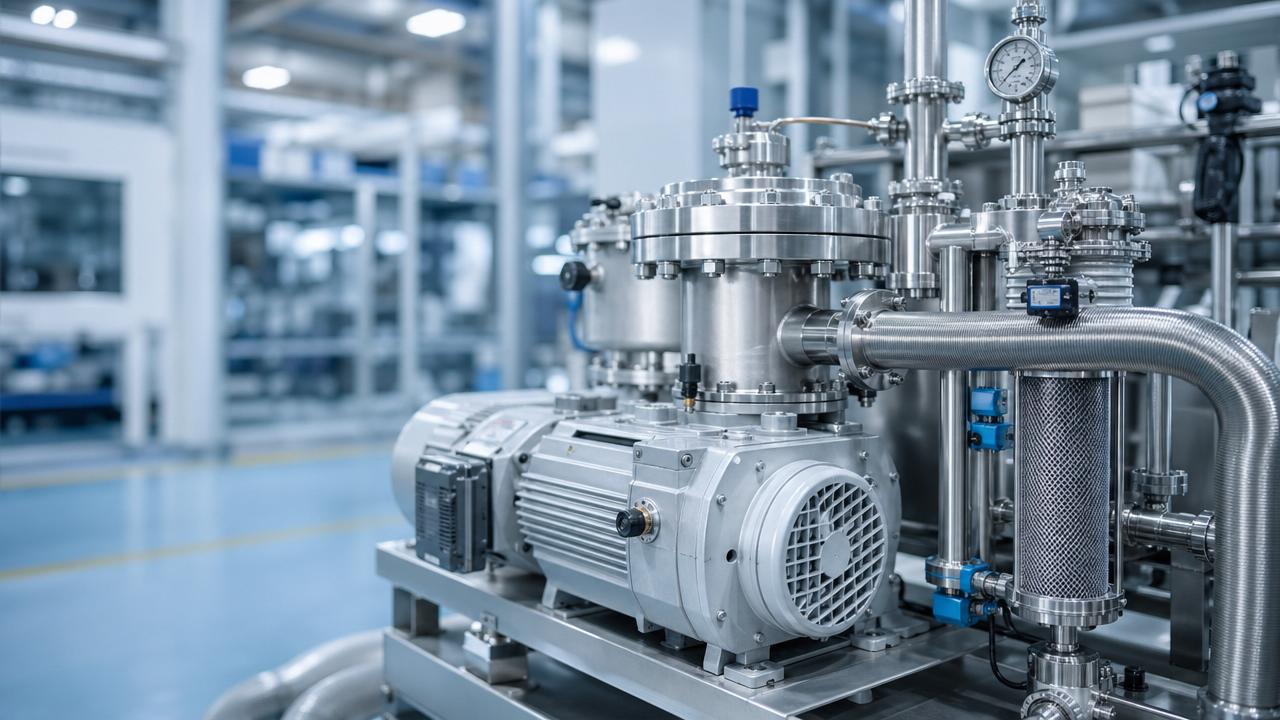
For rotary vane vacuum technology solutions, part-load control, leakage, and oil condition influence efficiency. Oversized pumps also waste energy during low-demand periods.
For liquid ring systems, service liquid temperature strongly affects performance. Warmer liquid can reduce vacuum capability and increase power demand.
How should maintenance be evaluated?
Maintenance should be reviewed by hours, spare parts, fluid handling, technician skill, and unplanned downtime exposure. This is where lifecycle comparisons become meaningful.
Reliable vacuum technology solutions are not simply low-maintenance. They are predictable, serviceable, and well matched to the process stream.
What are the most common selection mistakes?
Many vacuum projects underperform because the pump is chosen from catalog data alone. Real process conditions are often more complex than nominal specifications.
Mistake 1: Ignoring gas composition
Condensable vapors, dust, acids, and oxygen content change material and design requirements. Not all vacuum technology solutions can handle those variables equally.
Mistake 2: Focusing only on capital cost
A lower purchase price may lead to higher energy bills, more fluid consumption, or more frequent service. Total cost of ownership gives a clearer decision basis.
Mistake 3: Overlooking system integration
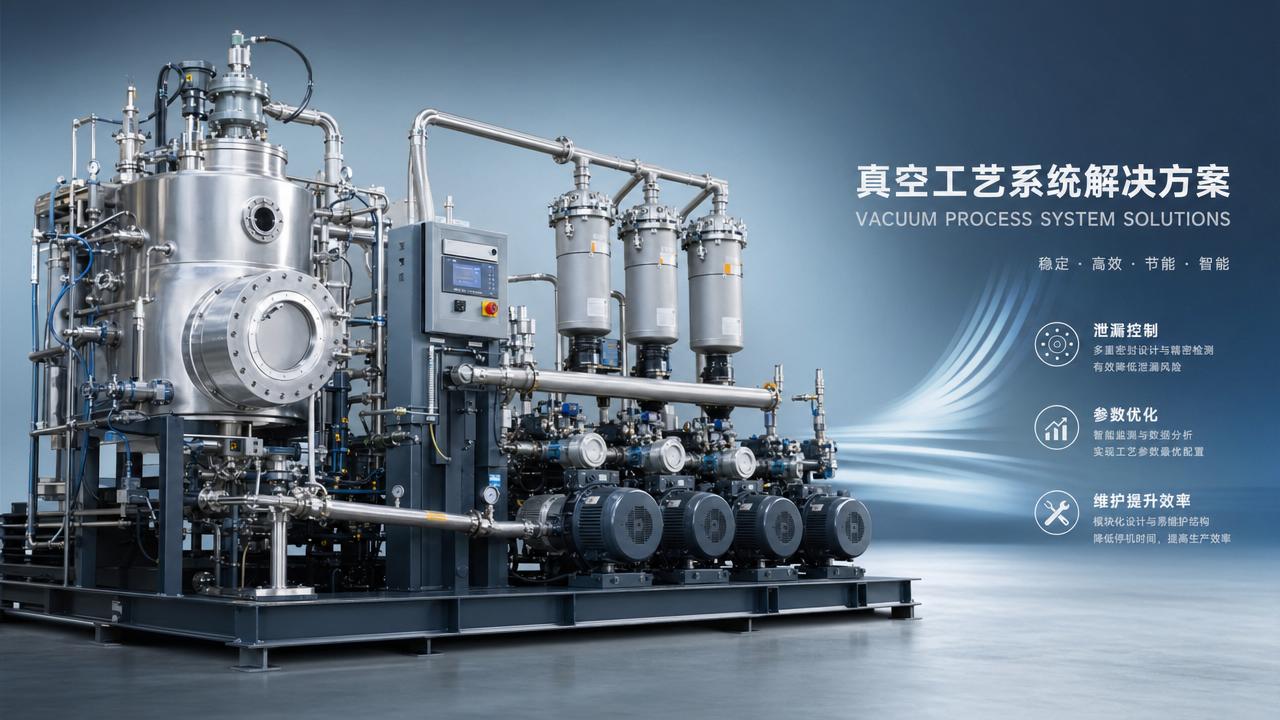
Vacuum technology solutions interact with filters, separators, piping, controls, and heat recovery options. Poor integration can erase the benefits of a strong pump choice.
Mistake 4: Misjudging future operating conditions
Capacity expansions, product changes, and environmental rules can shift the ideal solution. A flexible system often delivers better long-term resilience.
How can the right vacuum technology solutions be selected with confidence?
A structured evaluation reduces risk. It also improves alignment between process needs, utilities, sustainability targets, and expected service performance.
Practical decision checklist
- Define required vacuum level and flow across all operating states.
- Map gas composition, moisture load, and contamination risk.
- Review utility availability, including water, power, and treatment capacity.
- Estimate annual energy, maintenance, and downtime costs.
- Check compatibility with environmental and safety requirements.
- Assess future process changes before final specification.
Decision guide by situation
For many facilities, the best vacuum technology solutions emerge after testing actual duty points instead of relying only on nameplate assumptions.
Rotary vane systems are often ideal for cleaner applications needing deeper vacuum and efficient compact performance. Liquid ring systems shine in wet, contaminated, or corrosive services where durability matters most.
The smarter choice depends on process reality, not preference. GTC-Matrix continues to track industrial vacuum technology solutions, energy trends, and thermal process intelligence to support better equipment decisions.
Before the next investment, compare operating conditions, utility costs, and service expectations in detail. A disciplined review will turn vacuum technology solutions into a measurable advantage for efficiency, reliability, and long-term value.
Ready when you are. Send us a message to get started.
Related News
- Vacuum System Selection: Rotary Vane vs Liquid Ring for Daily OperationsAuthor :Vacuum Process Fellow

- Vacuum Technology Solutions: Rotary Vane or Liquid Ring?Author :Vacuum Process Fellow

- 5 Ways to Improve Vacuum Process Efficiency Without Major DowntimeAuthor :Vacuum Process Fellow

- Practical Ways to Improve Vacuum Process Efficiency Without Major RetrofitsAuthor :Vacuum Process Fellow