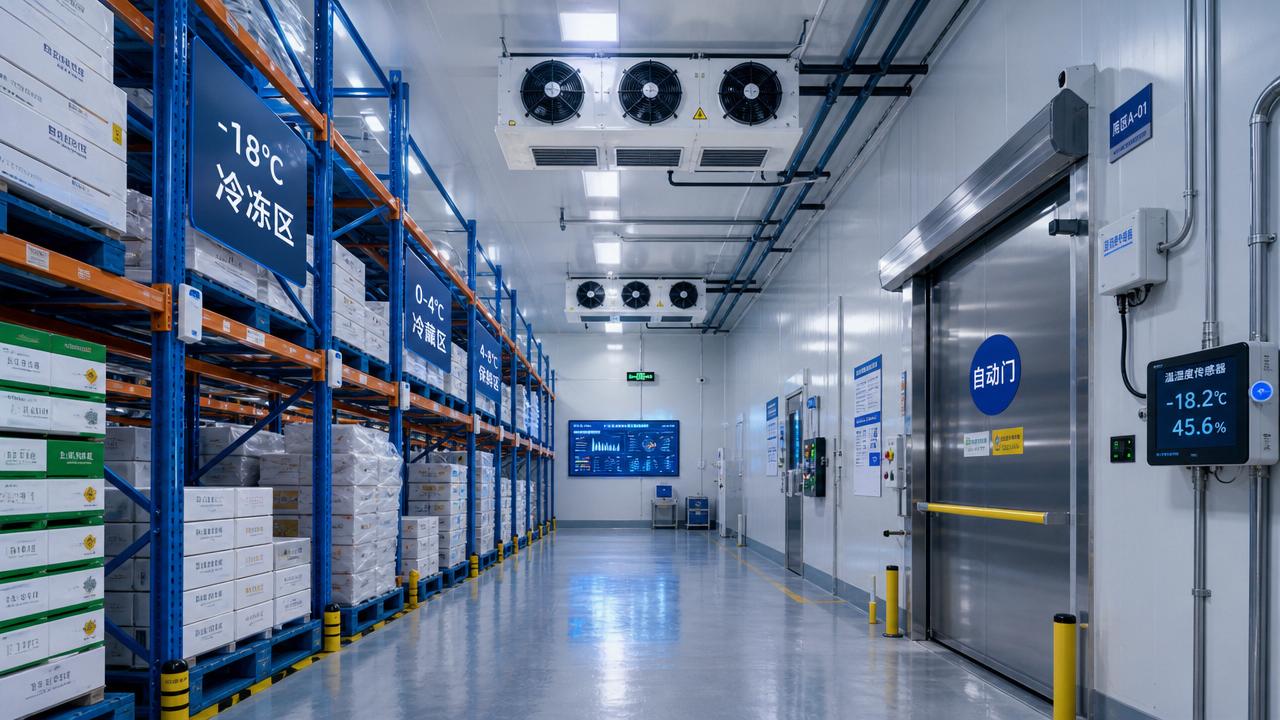




How pharmaceutical temperature control monitoring prevents cold-chain excursions




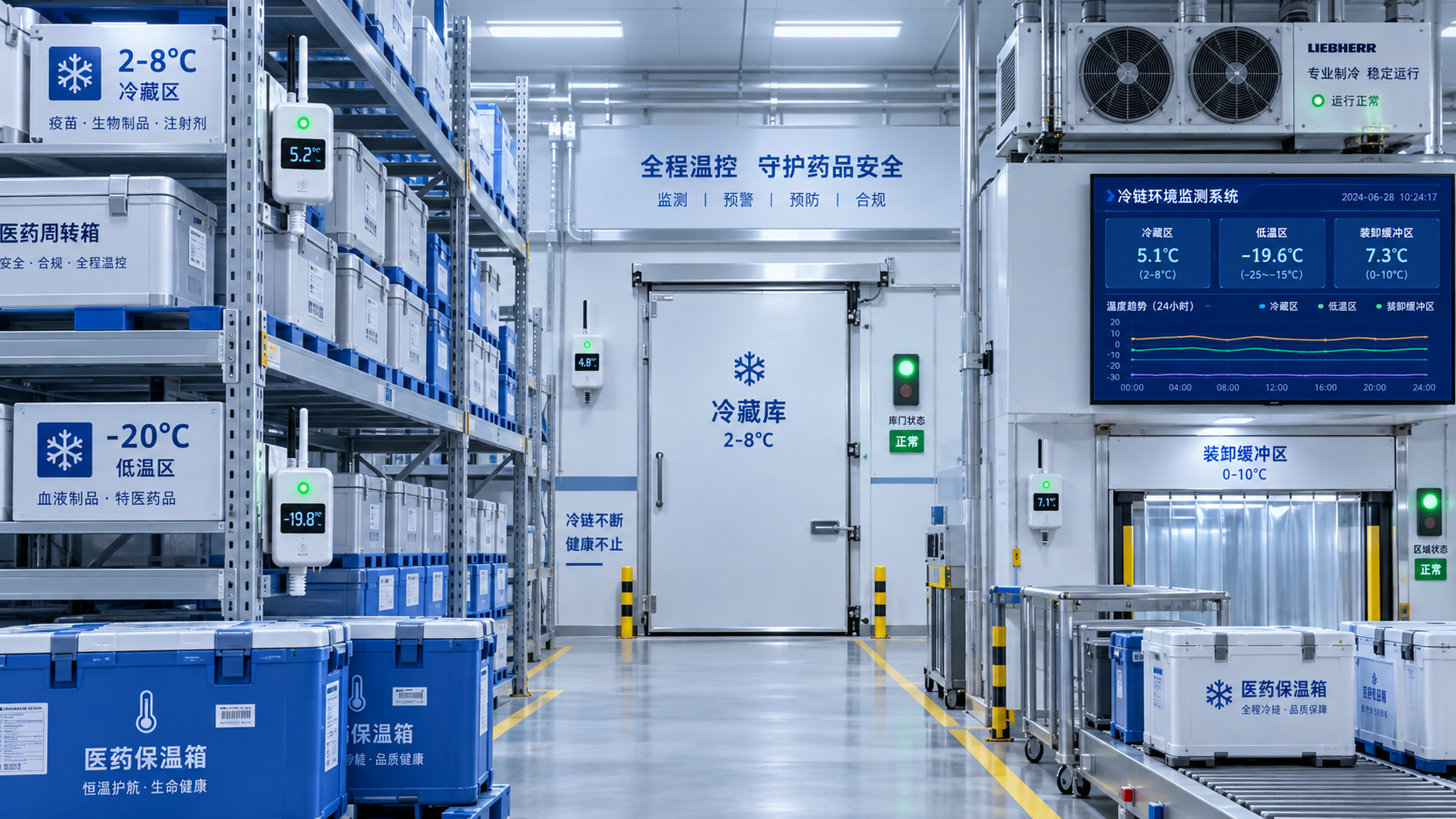
A cold-chain excursion is rarely caused by one dramatic failure. More often, it begins with a small gap: a refrigerator door left open during replenishment, a pallet staged too close to a loading bay, a vehicle sensor placed near an air outlet, or an alert that reaches someone after the product has already warmed beyond its approved range. Pharmaceutical temperature control monitoring prevents these events when it is designed as an active control process, not simply a recordkeeping exercise.
The practical objective is not to collect more temperature data. It is to detect meaningful change early, identify the affected product and location, trigger the right response, and preserve a trustworthy record for product disposition. A useful monitoring system connects the physical environment, the product's storage requirements, the people who respond, and the evidence needed after an incident.
Monitoring prevents excursions by shortening the time between drift and action
Temperature-sensitive medicines do not experience risk only when a display shows an obvious out-of-range value. Risk begins when the actual product environment departs from its qualified condition and no one can intervene. The longer that departure continues, the more difficult it becomes to isolate the cause, assess exposure, and make a defensible release decision.
Effective pharmaceutical temperature control monitoring creates several layers of protection:
- Continuous measurement reveals a developing problem between manual checks.
- Appropriate alarm limits distinguish a genuine loss of control from normal, brief operational variation.
- Immediate notification gives the responsible person time to close a door, move stock, start backup equipment, or contact a carrier.
- Escalation prevents an unresolved alarm from being ignored during breaks, shift changes, weekends, or holidays.
- Complete records support investigation, product impact assessment, corrective action, and audit readiness.
The distinction matters. A paper log may show that a room was acceptable at the beginning and end of a shift while missing a prolonged high-temperature event in between. By contrast, continuous monitoring makes the temperature profile visible. It shows whether a limit was crossed briefly, whether the excursion was rising or recovering, and whether several locations were affected at the same time.
That information does not automatically determine product quality. Product disposition still depends on the approved stability information, the packaging configuration, duration of exposure, and the applicable quality procedure. Monitoring provides the evidence needed to make that decision before assumptions replace facts.
Start with the product and process, not the device catalogue
A common implementation error is choosing sensors first and defining the control strategy later. The correct system depends on what is being protected, where it is located, and how that environment behaves during normal operations.
Map the full journey before assigning devices: receipt, quarantine, storage, picking, packing, staging, loading, transport, handoff, and any return process. A stable warehouse may be well controlled while the greatest exposure occurs in an unmonitored staging area. A transport lane may appear compliant on a summary report while the problem is actually loading delay, repeated door openings, or poor sensor placement inside a shipper.
For each point, establish four practical questions:
- What temperature condition must the product remain within?
- What events can cause the local environment to drift?
- How quickly can a person or automated control restore the condition?
- What evidence is needed to determine whether a product was affected?
This exercise often changes the monitoring design. A large cold room may need multiple fixed probes because one point cannot represent the warmest and coldest locations. A refrigerated vehicle may need logging that continues through loading and delivery, rather than a single reading taken at dispatch. Small cartons may need a shipment-level data logger where route risk is higher than facility risk.
Sensor placement determines whether the data describes the real risk
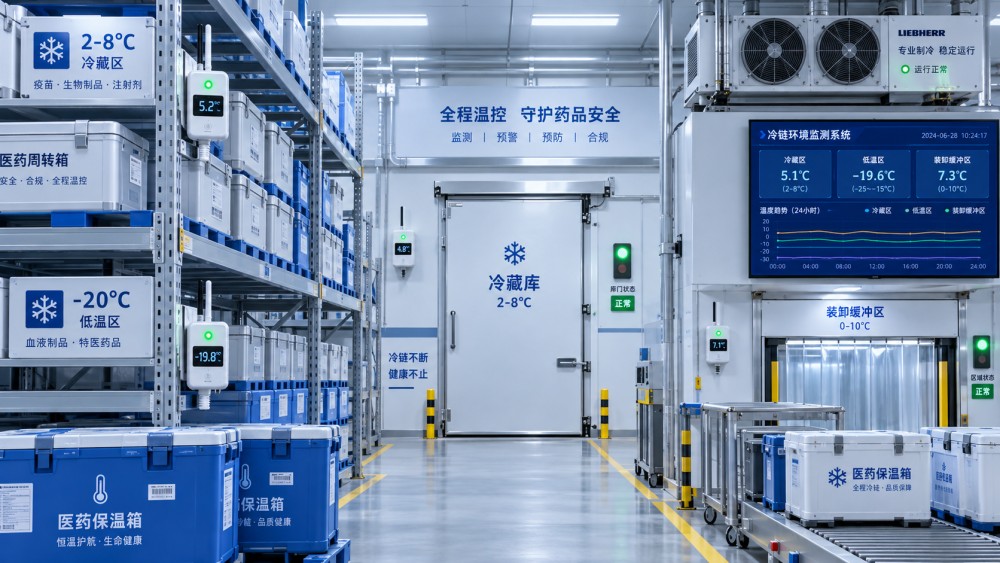
A perfectly calibrated sensor in the wrong location can produce reassuring but misleading records. Temperature is not uniform simply because a room, cabinet, or vehicle is set to one value. Airflow, door activity, solar exposure, loading density, evaporator position, and defrost cycles can create local differences.
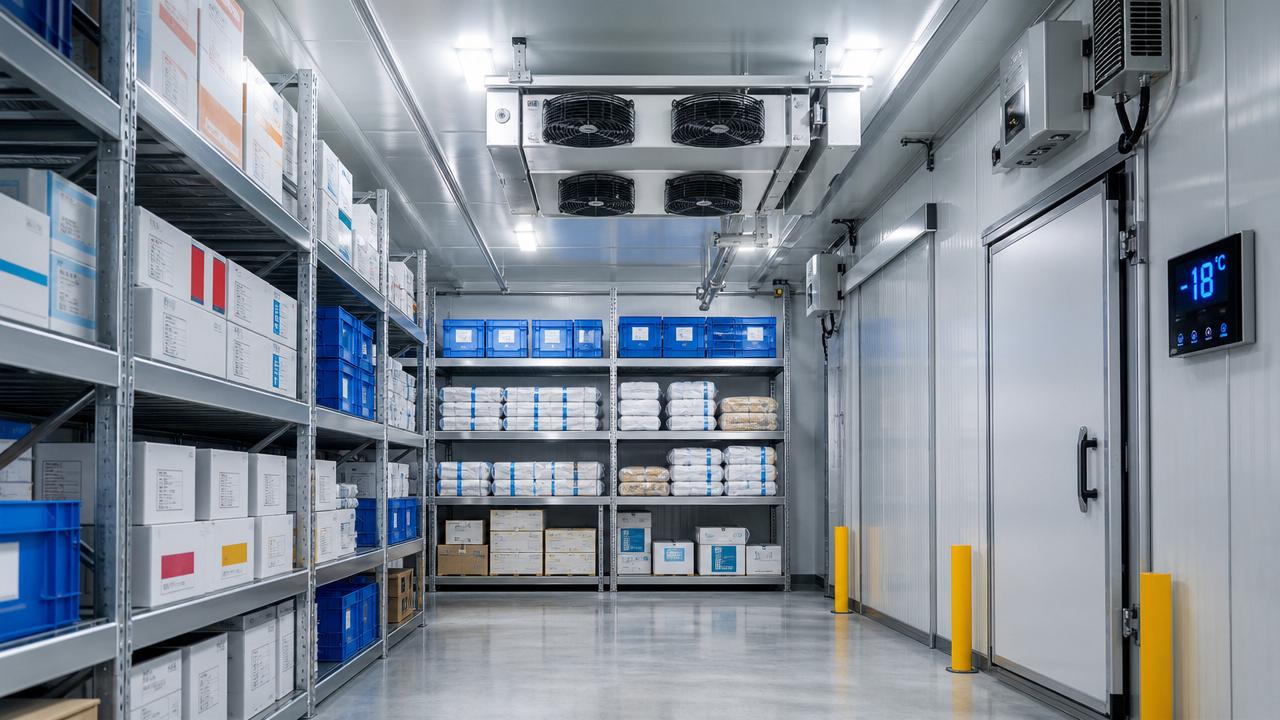
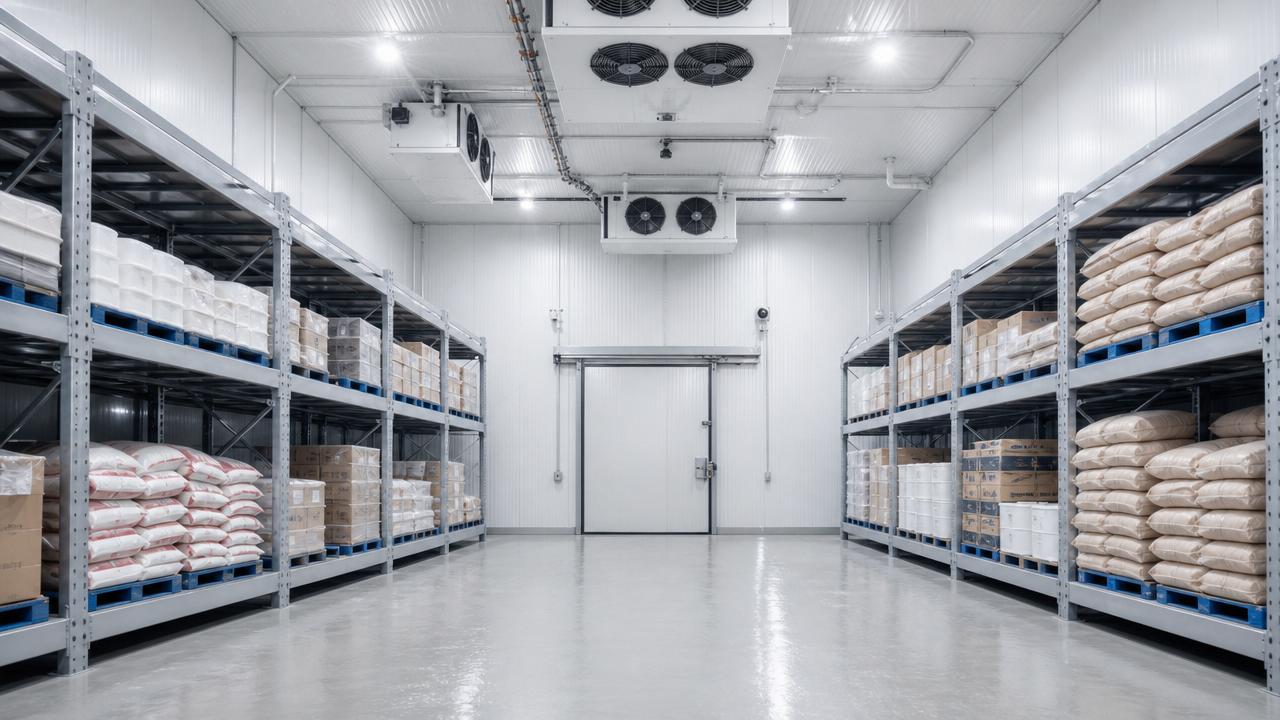
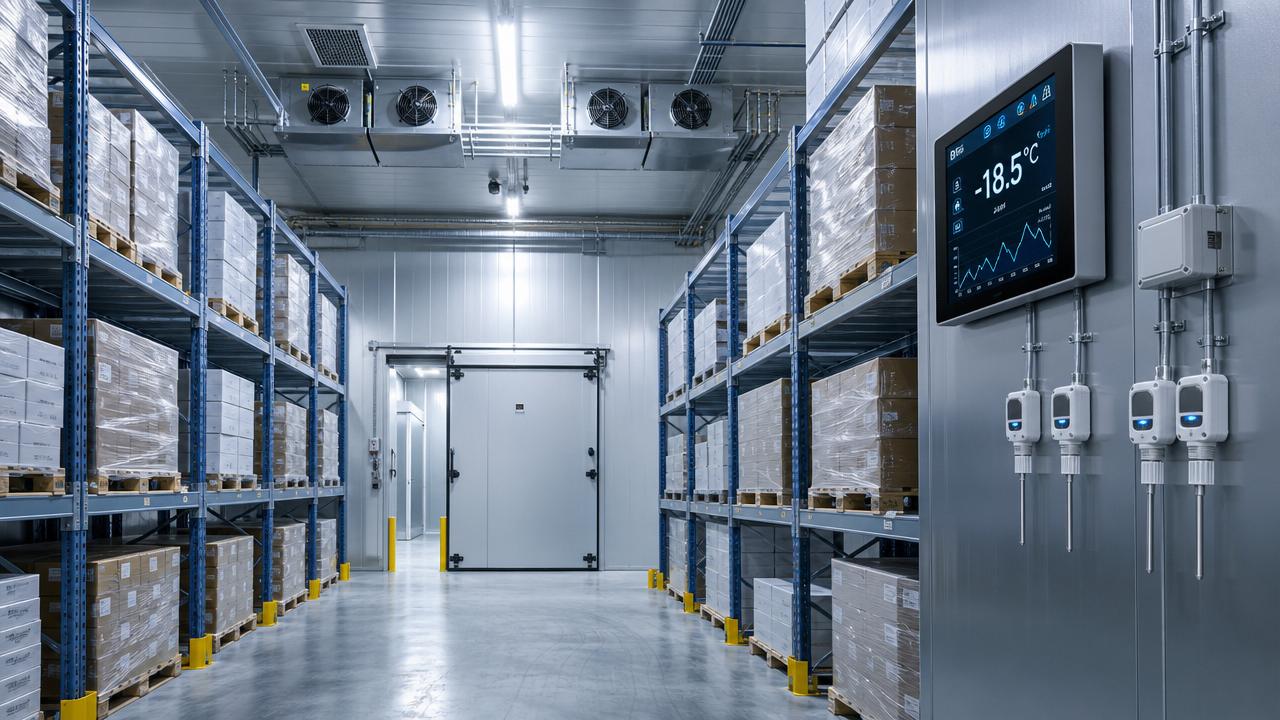
Fixed probes should represent the areas where product is most likely to experience adverse conditions. These may include upper shelving, areas close to doors, zones with weak circulation, and locations affected by external walls or cooling equipment. The exact locations should come from a temperature mapping exercise and be reviewed when the room layout, load pattern, equipment, or operating process changes.
For transport, placement needs even more care. A logger beside a cooling outlet may record cold air rather than the conditions around the payload. A device placed against a package wall may respond to short external changes differently from the contents inside. The goal is not merely to measure air temperature; it is to obtain a representative record of the thermal challenge experienced by the protected product.
There is also a difference between ambient monitoring and product-proxy monitoring. Ambient air sensors respond quickly and are useful for detecting a failing environment. A buffered or simulated product probe changes more slowly and may better reflect the response of a packaged medicine. Neither is universally superior. In a high-risk storage area, using both can be justified: one gives early warning, while the other helps interpret likely product exposure.
Alarm design should support intervention, not create alarm fatigue
Alarms are the operational core of a monitoring program. When alarm settings are too broad, an event may be discovered after there is little opportunity to act. When they are too narrow, routine operations generate repeated alerts, and personnel learn to dismiss them. Both outcomes weaken control.
Alarm design should account for the approved storage range, expected operating behavior, and the time needed to respond. A door opening during a planned stock movement may produce a short, understandable temperature shift. Repeated high-temperature alarms after the same activity may indicate that the door is open too long, the loading process is poorly sequenced, or the room lacks recovery capacity.
Useful systems normally use more than one alarm state. A warning can signal a developing trend before the action limit is reached. A critical alarm can require immediate intervention. An overdue-response or communication-loss alarm can escalate when the system itself stops providing confidence. This structure is more valuable than relying on one simple upper and lower threshold.
Every alarm needs a named response path
An alert message alone does not prevent an excursion. The response procedure should state who receives it, who can enter the affected area or contact the carrier, who has authority to relocate inventory, and when an incident must be formally opened. Coverage must include times when the usual contact is unavailable.
It is equally important to document what was done. “Alarm acknowledged” is not the same as “condition restored.” A useful event record captures the time of notification, observed conditions, actions taken, affected stock location, equipment status, and whether the deviation continued after intervention. This reduces uncertainty when records are reviewed later.
Use trends to find the failure before it becomes an incident
Individual alerts address immediate risk. Trend review addresses recurring risk. A facility may stay within range most days while showing a slow decline in performance: longer recovery after door openings, frequent temperature spikes at a particular time, repeated low-temperature events near an evaporator, or increasing alarms during hot-weather loading.
These patterns can reveal issues that a single incident report will not: an overloaded refrigerator, blocked airflow, degraded door seals, unsuitable stock arrangement, unstable utility supply, poor loading discipline, or insufficient refrigeration capacity for the current heat load. The purpose of reviewing trends is not to produce another report. It is to identify conditions that make the next excursion more likely.
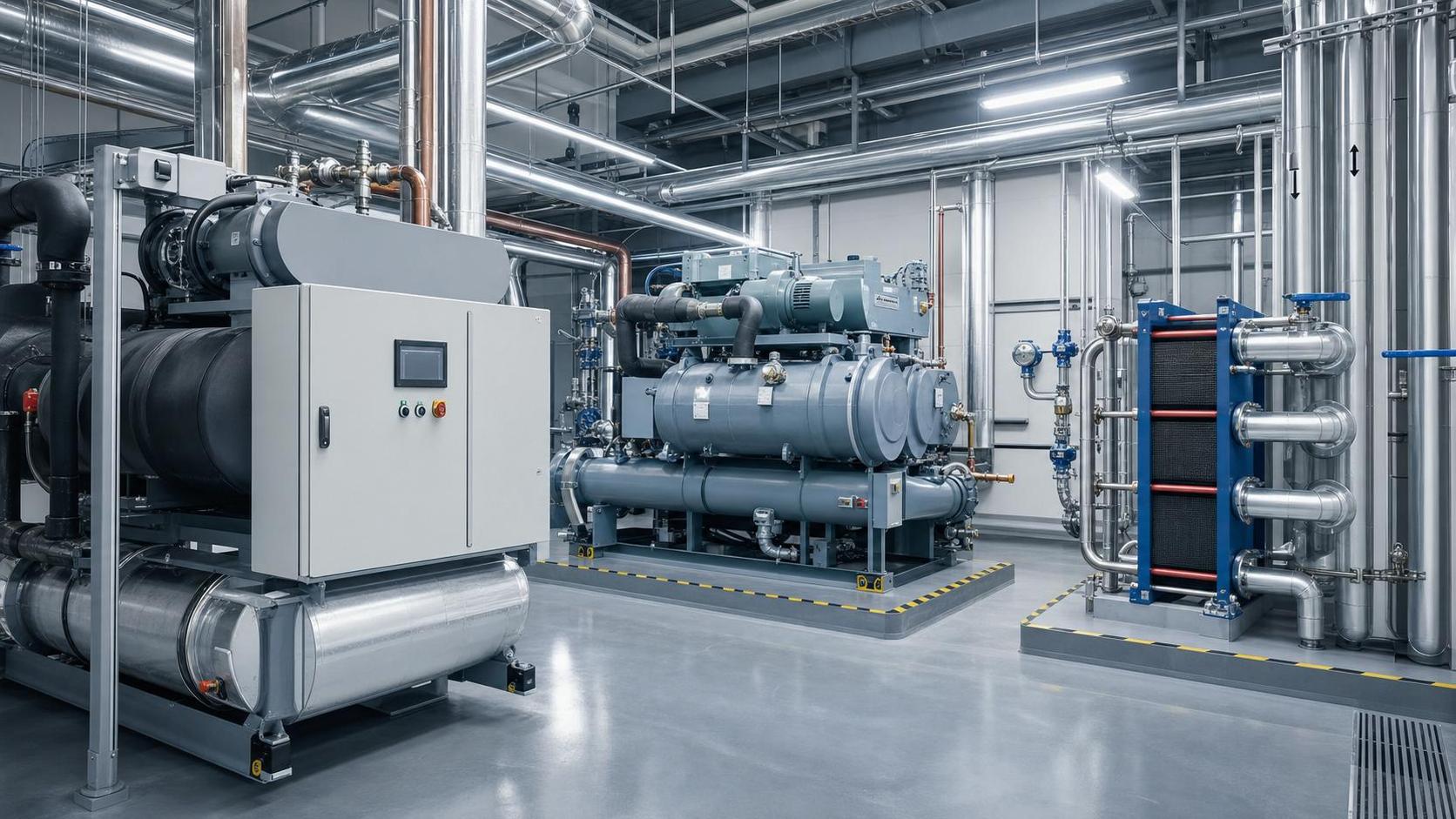
GTC-Matrix focuses on the industrial thermal systems behind these risks, including cooling equipment, heat exchange performance, and the energy conditions that affect temperature control. For pharmaceutical operations, that wider view is useful because monitoring data often points beyond the sensor itself. Persistent drift may be a refrigeration, airflow, insulation, maintenance, or process-design problem rather than a monitoring problem.
Trend reviews should include normal operational context. A short rise during a documented delivery window has a different meaning from the same rise during an unoccupied period. Likewise, a recurring excursion across several rooms may suggest a site-level issue, while a repeated event in one cabinet points toward local equipment, loading, or use practices.
Validate the monitoring chain, not only the thermometer
Reliable temperature control depends on the whole chain from sensing to decision. A calibrated probe is necessary, but it does not prove that data was transmitted, stored, reviewed, and acted on correctly. A monitoring program should demonstrate that the installed system performs as intended in its actual operating environment.
This includes confirming sensor identification and location, checking time synchronization, defining how data gaps are detected, protecting records from unauthorized alteration, and testing alarm delivery and escalation. Communication loss deserves particular attention. A wireless device can be accurate while still failing to send data because of power loss, gateway failure, network interruption, or a damaged antenna. The system should make that loss of visibility visible.
Changes must be controlled as carefully as the original setup. Moving shelves, replacing a refrigerator, altering setpoints, changing a vehicle route, updating software, or increasing storage density can change temperature behavior. The monitoring plan should be reassessed when the conditions it was built to represent have materially changed.
Manual checks still have a role, but not as the only control
Manual readings can support routine verification, visual equipment checks, and independent comparison. They are not a substitute for continuous pharmaceutical temperature control monitoring where temperature can change between inspections or where rapid intervention matters.
The strongest approach uses manual activity where human observation adds value. A daily walk-through may identify frost buildup, blocked vents, condensation, unusual noise, open doors, or improper stock placement. Continuous sensors provide the time-resolved record. Together, they cover both the measured condition and the physical causes behind it.
What to confirm before expanding or replacing a monitoring system
Before adding more sensors or changing vendors, review the events that have already occurred. Determine whether the underlying weakness was late detection, poor placement, slow response, unclear ownership, unreliable communications, inadequate refrigeration performance, or incomplete investigation records. Buying a more sophisticated platform will not solve a process that leaves alarms unanswered.
The most effective system is usually not the one with the largest dashboard or the highest number of probes. It is the one that creates a credible link between a temperature event and a timely, documented action. When sensor placement reflects real product exposure, alarm routing reflects actual operating hours, and trend review leads to corrective changes, cold-chain excursions become easier to prevent and far easier to investigate when they do occur.
Related News
- How pharmaceutical temperature control monitoring prevents cold-chain excursionsAuthor :Cryogenic Systems Expert

- How to Size a Blast Freezer for Industrial Refrigeration Capacity and Pull-Down TimeAuthor :Cryogenic Systems Expert

- MPA Opens Fast-Track Cold Chain Inspections in SingaporeAuthor :Cryogenic Systems Expert

- GCC Cold Storage Imports Face GCC-CLIMAT 2026 RuleAuthor :Cryogenic Systems Expert

- Industrial Refrigeration Equipment Evaporator Selection: Capacity, Frost, and Energy TradeoffsAuthor :Cryogenic Systems Expert

- Industrial Refrigeration Equipment: Cost Factors to CompareAuthor :Cryogenic Systems Expert

- Manzhouli Rail Hub Sets Weekly Reefer RecordAuthor :Cryogenic Systems Expert

- Manzhouli Rail Cold-Chain Volume Hits Weekly HighAuthor :Cryogenic Systems Expert

- High-Precision Temperature Control for Stable Cold StorageAuthor :Cryogenic Systems Expert
![]()
- High-Precision Temperature Control in Cold StorageAuthor :Cryogenic Systems Expert

- Japan's METI Mandates AI Energy Models for Cold StorageAuthor :Cryogenic Systems Expert
![]()
- Fruit Attraction Madrid 2026 Booths 91% Booked; Smart Cold Storage Now EU Entry GateAuthor :Cryogenic Systems Expert

- Fruit Attraction Madrid: 90% Booths Booked; Smart Cold Storage Now EU Entry GateAuthor :Cryogenic Systems Expert
![]()
- How Global Energy Costs Are Changing Cold Storage PlanningAuthor :Cryogenic Systems Expert

- High-Precision Temperature Control in Cold StorageAuthor :Cryogenic Systems Expert

- Hema's Discount Brand 'Chao He Suan NB' Expands to Southeast AsiaAuthor :Cryogenic Systems Expert

- State Council Approves Urban Renewal '15th Five-Year' Plan, Boosting Cold Storage Retrofit DemandAuthor :Cryogenic Systems Expert

- Colombia Upholds Anti-Dumping Duties on Chinese Acrylic SheetsAuthor :Cryogenic Systems Expert

- PSA Launches Express Lane for Industrial Thermal EquipmentAuthor :Cryogenic Systems Expert

- Smart Thermal Systems for Cold Storage: Control Gains That Cut Energy WasteAuthor :Cryogenic Systems Expert

- PSA Launches Express Lane for Temperature-Critical CargoAuthor :Cryogenic Systems Expert

- Pure Power Sources: What Matters Most for Cold Storage ReliabilityAuthor :Cryogenic Systems Expert

- Brazil Grants Unilateral Visa-Free Access to Chinese CitizensAuthor :Cryogenic Systems Expert

- India BIS Proposes Mandatory Low-GWP Verification for R449A in Cold StorageAuthor :Cryogenic Systems Expert

- US BIS Adds 3 Cold Storage Controller Makers to Entity ListAuthor :Cryogenic Systems Expert

- High-Precision Temperature Control in Cold Storage OperationsAuthor :Cryogenic Systems Expert

- India BIS Proposes Mandatory Low-GWP Verification for R449A in Cold StorageAuthor :Cryogenic Systems Expert

- US BIS Adds 3 Chinese Cold Storage Controller Makers to Entity ListAuthor :Cryogenic Systems Expert

- China Expands HCFCs Phase-Out Verification for Cold Storage ExportsAuthor :Cryogenic Systems Expert

- Smart Thermal Systems for Cold Storage: What Delivers PaybackAuthor :Cryogenic Systems Expert

- China Expands HCFCs Phase-Out Checks to 127 Chiller PlantsAuthor :Cryogenic Systems Expert

- Shanghai Port Reefer FEU Rates Surge Past $12,800 Amid Red Sea DiversionAuthor :Cryogenic Systems Expert

- Red Sea Crisis Pushes Shanghai-Rotterdam Reefer Freight to $12,520/FEUAuthor :Cryogenic Systems Expert
![]()
- What Intellectualization Means for Smarter Cold Storage OperationsAuthor :Cryogenic Systems Expert