Pneumatic Power Systems: Common Sizing Mistakes to Avoid




In pneumatic power systems, sizing errors rarely appear dramatic at first. Yet they often trigger waste, unstable performance, higher maintenance, and difficult expansion later.
A system that looks acceptable on paper may struggle with pressure dips, oversized compressors, wet air issues, or rising operating costs after commissioning.
For industrial operations, utilities, packaging lines, processing plants, and mixed-use facilities, correct sizing is a strategic engineering decision, not a routine calculation.
This guide explains common pneumatic power systems sizing mistakes, why they happen, and how to avoid them through better demand analysis, pressure planning, storage design, and lifecycle thinking.
What does correct sizing in pneumatic power systems really mean?
Correct sizing in pneumatic power systems means matching supply, pressure, treatment, and storage to real operating conditions across the whole network.
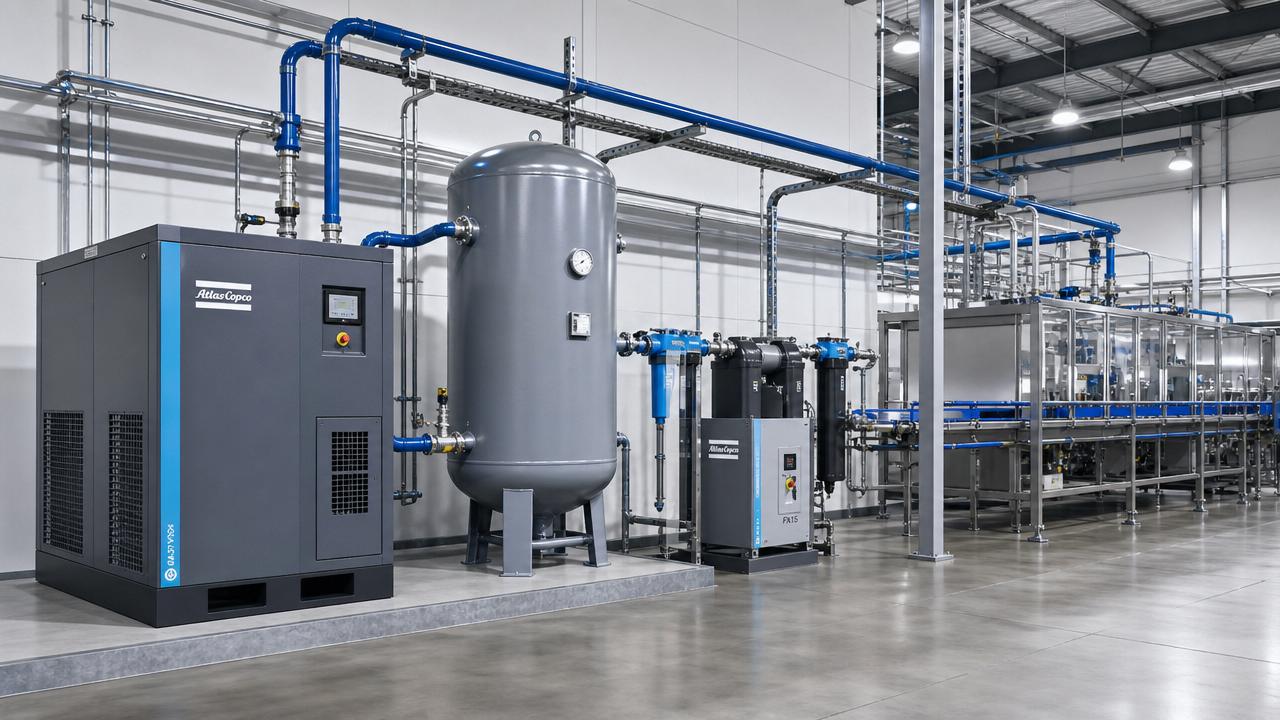
It is not only about compressor capacity. It also includes pipe diameter, peak flow behavior, control strategy, leakage tolerance, and future system flexibility.
Many projects size equipment from nameplate demand alone. That shortcut ignores diversity of use, simultaneous loads, and process cycling patterns.
In practice, well-sized pneumatic power systems deliver stable pressure with the lowest reasonable energy input and acceptable reserve capacity.
Poorly sized systems usually show one of two extremes. They are either too small during peaks or too large during normal operation.
Both conditions increase total cost of ownership. Undersizing affects uptime. Oversizing wastes energy and often shortens equipment life through poor load behavior.
Why sizing mistakes are so common
Compressed air demand is dynamic. Machines start and stop, valves pulse, tools vary, and production schedules change across shifts and seasons.
Without measured data, estimates become assumptions. Assumptions then become expensive design errors inside pneumatic power systems.
Which air demand mistakes cause the biggest sizing problems?
The biggest mistake is confusing average demand with peak demand. Pneumatic power systems must survive short bursts, not just steady averages.
Another error is adding all rated consumption values together. Most devices do not run at full load at the same moment.
Designers also overlook hidden users. Air knives, blow-off stations, purge points, temporary connections, and maintenance outlets can add substantial consumption.
Leakage is frequently ignored during design. In older plants, leaks can consume a meaningful share of generated air before production even starts.
How to estimate demand more accurately
- Measure real flow over representative operating periods.
- Separate base load, intermittent load, and short peak events.
- Apply diversity factors instead of simple nameplate summation.
- Include leakage allowance based on system condition.
- Review demand by shift, product type, and maintenance mode.
For multi-process facilities, data logging is especially useful. It reveals when pneumatic power systems face short pressure shocks that average readings can hide.
How does pressure drop get underestimated in pneumatic power systems?
Pressure drop is often treated as a secondary detail. In reality, it can reshape compressor selection, energy use, and end-use performance.
If distribution losses are underestimated, designers compensate by raising compressor discharge pressure. That means permanent energy penalties across the system.
Common causes include undersized piping, long routing, too many fittings, clogged filters, poor dryer selection, and isolated bottlenecks near critical equipment.
Mistakes also occur when static calculations ignore real velocity changes during demand surges. High peak flow can create larger drops than expected.
What should be checked before final sizing?
- Main header diameter across full load and peak flow conditions.
- Distance from compressor room to furthest point of use.
- Pressure loss through filters, dryers, separators, and regulators.
- Localized restrictions from quick couplings or aging branch lines.
- Required pressure at the actual end application, not only at the compressor.
Efficient pneumatic power systems are built around the lowest workable system pressure. Every unnecessary bar adds avoidable operating cost.
Why are storage and compressor control often sized incorrectly?
Air receivers are frequently chosen by habit or space limits rather than demand profile. That leads to unstable control and poor buffering.
Too little storage forces compressors to cycle more often. Excessive cycling increases wear, temperature stress, and control inefficiency.
Too much storage is not always helpful either. It can slow control response and tie up capital without solving root pressure issues.
The mistake becomes worse when storage sizing is separated from compressor sequencing strategy. Pneumatic power systems need both elements aligned.
What storage design should consider
Receiver volume should reflect peak duration, allowable pressure band, compressor response time, and distance to fast-changing loads.
It is often beneficial to combine central storage with local receivers near high-pulse equipment. This reduces network-wide disturbances.
Controls also matter. Variable speed drives, trim compressors, and smart sequencing can significantly improve pneumatic power systems when correctly matched.
How do future load assumptions distort current sizing decisions?
Future expansion is a valid concern, but it is often handled poorly. Designers oversize current equipment based on vague long-term expectations.
That creates inefficient part-load operation for years. In many facilities, expected expansion arrives later, smaller, or in a different process area.
A better approach is scalable design. Build pneumatic power systems with expansion paths rather than excessive initial capacity.
Examples include spare connection points, modular compressor rooms, oversized headers in selected corridors, and controls prepared for additional machines.
When oversizing may still be reasonable
Selective oversizing makes sense when process continuity is critical, utility shutdown costs are severe, or expansion timing is contractually defined.
Even then, the decision should be evidence-based. Strategic redundancy is different from oversized pneumatic power systems with poor operating efficiency.
What quick checks help compare sizing decisions before installation?
A simple comparison table can expose weaknesses early. It helps balance reliability, energy efficiency, and capital spending before procurement.
FAQ: short answers to common sizing questions
Avoiding these mistakes makes pneumatic power systems more stable, efficient, and adaptable across diverse industrial settings.
Strong results usually come from measured data, realistic operating scenarios, and design choices tested against lifecycle cost rather than initial price alone.
Within the broader industrial intelligence landscape, GTC-Matrix continues to track how energy pricing, decarbonization pressure, and process reliability standards influence utility system design.
If a new installation or retrofit is being reviewed, start with a demand audit, a pressure loss map, and a storage-control assessment.
That practical next step can prevent oversized investment, hidden inefficiency, and underperforming pneumatic power systems long before startup.
Related News